close

April 2026

Entertainment

The Future of Live Entertainment: What to Expect in the Next Decade

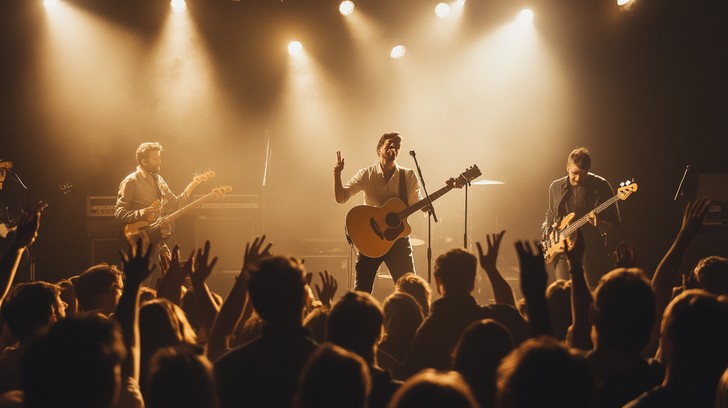
The live entertainment landscape is undergoing a massive transformation. Driven by rapid technological breakthroughs, shifting generational expectations, and a demand for more localized, sustainable experiences, the next ten years will fundamentally change how we gather, listen, and participate. From massive stadium concerts to intimate theater productions, the boundary between the performer and the audience is blurring.

As we look toward the next decade, live entertainment will evolve past passive viewing into an era defined by deep immersion, hyper-personalization, and borderless accessibility.

The Rise of Spatial Audio and Immersive Venues

For decades, the live event formula remained mostly unchanged: a flat stage, a wall of loudspeakers, and an audience looking forward. The next decade will see the widespread adoption of purpose-built, high-tech arenas that prioritize structural multi-sensory immersion.

Venues are shifting away from traditional stereo setups toward spatial audio systems. Spatial audio calculates the precise positioning of sound relative to the listener, allowing audio engineers to move specific instruments or vocal tracks through a three-dimensional space. This means an audience member in the back row will experience the same pristine, balanced sound clarity as someone in the front row.

Beyond sound, the structural architecture of venues will become dynamic. Custom-built entertainment hubs will feature wraparound LED screens, haptic flooring that vibrates in sync with the bass line, and micro-climate controls capable of releasing scents or temperature shifts tailored to the mood of a performance. These venues are designed to make thousands of people feel like they are inside a singular, living canvas.

Augmented Reality and the Mixed-Reality Audience

While virtual reality replaces the physical environment entirely, augmented reality (AR) and mixed reality will dominate the live event space because they preserve the shared physical energy of a crowd. Over the next ten years, AR will transition from a novelty on smartphone screens to a built-in feature of live production.

Audiences will routinely wear lightweight AR glasses or use advanced mobile applications to layer digital elements over the physical stage. For example:

  • Real-time data overlays: Fans at sporting events or concerts can view live statistics, song lyrics, or artist biographies floating above the field or stage.

  • Dynamic visual effects: Musicians can perform alongside virtual avatars, digital pyrotechnics, and floating 3D animations that react dynamically to the tempo of the music.

  • Custom view angles: AR will allow attendees to seamlessly toggle between drone feeds, backstage cameras, or close-up angles of the performers from their seats.

This technology allows production designers to build expansive, fantastical worlds without the carbon footprint or safety hazards associated with moving massive physical set pieces across the globe.

Holographic Performers and Digital Legacy Tours

The concept of the virtual performer has graduated from a technical experiment to a highly profitable business model. The next decade will normalize tours featuring digital replicas, timeless legacy acts, and entirely fictional virtual artists.

This shift relies on advanced volumetric capture, a filming technique that records a performer from dozens of angles simultaneously to create a flawless, three-dimensional digital asset. For living artists, this opens up the possibility of borderless touring. A global pop star could technically launch a world tour where their holographic likeness performs simultaneously in ten different cities, complete with localized language translations and real-time interaction powered by artificial intelligence backends.

For legacy acts, digital replication offers immortality. Estate-sanctioned productions will recreate historic performances with pixel-perfect accuracy, allowing younger generations to experience iconic eras of music history exactly as they occurred decades ago.

Hyper-Personalization Through Wearable Tech

The future of live entertainment is not a one-size-fits-all experience. Biometrics and smart wearables will grant event organizers the power to tailor individual experiences within a crowd of eighty thousand people.

Smart wristbands and clothing embedded with RFID (Radio-Frequency Identification) and biometric sensors will monitor audience engagement, heart rates, and movement patterns. This data will integrate directly with venue infrastructure to adjust environmental factors in real time. If a specific section of a stadium shows a spike in body temperature and movement, local ventilation can adjust automatically.

Furthermore, light shows will become granular. Instead of uniform arena lighting, individual wristbands can act as single pixels in a massive, human-powered screen. The production team can program specific visual patterns, words, or animations to ripple across the crowd based on the precise seat location of every ticket holder.

AI-Driven Interactive Scenography

Artificial intelligence will act as a silent co-director for future live performances. Rather than relying on rigid, pre-recorded visual tracks, stage productions will use generative AI systems that analyze the live energy of the room.

Microphones and cameras trained on the crowd will measure volume levels, movement rhythm, and acoustic resonance. The AI engine processes this data instantly to alter the visual backdrops, color palettes, and lighting cues on stage. If an artist decides to extend a guitar solo or improvise a vocal run, the visual environment will adapt flawlessly on the fly, ensuring that no two live shows are ever identical.

In theatrical settings, this allows for dynamic narrative branching. Audiences might vote on plot directions through mobile interfaces, prompting AI script systems to alter background scenery, adjust digital characters, and signal actors to pivot the storyline based on real-time collective decisions.

Eco-Conscious Venues and Micro-Touring

The environmental impact of mass gatherings is forcing a total rewrite of live event logistics. The next decade will emphasize sustainability, shifting focus away from sprawling, fuel-heavy global tours toward regional residencies and eco-engineered venues.

Future venues will rely entirely on localized microgrids powered by renewable energy sources, kinetic flooring that converts the dancing movement of the crowd into usable electricity, and strict circular waste management systems.

To reduce the massive carbon footprint of shipping tons of equipment from country to country, artists will adopt a micro-touring model. Instead of playing forty cities in two months, acts will set up multi-week residencies in major global transport hubs. These hubs will feature permanent, high-tech stage frameworks, requiring artists to travel with only their digital assets and core production team rather than a fleet of semi-trucks.

Frequently Asked Questions

Will virtual reality replace the need for physical concert venues over the next decade?

Virtual reality will expand as a powerful alternative for remote fans, but it will not replace physical venues. The human desire for collective effervescence—the synchronized neurological and emotional energy experienced when gathering with a live crowd—cannot be fully replicated in isolation. VR will instead serve as a premium streaming tier, allowing a fan in Tokyo to purchase a virtual front-row ticket to a sold-out show occurring in New York City.

How will these advanced technologies affect ticket prices for the average consumer?

Initial adoption of cutting-edge tech like spatial audio and holographic displays requires significant capital investment, which may keep premium ticket prices high. However, over the decade, these technologies will scale down in cost. Furthermore, digital additions like AR companion apps and virtual tickets provide artists with new, lower-cost revenue streams, which can help subsidize and stabilize the price of standard physical admission.

Will AI technology eventually replace live human musicians and actors?

Artificial intelligence will serve as a collaborative tool rather than a replacement for human performers. Audiences inherently value vulnerability, unpredictability, and authentic human connection in live settings. While AI will manage automated tasks, generate real-time visual backdrops, and power fictional virtual idols, live entertainment will continue to center around the genuine talent and emotional expression of human creators.

What measures will be taken to protect consumer privacy given the rise of biometric wearables at events?

As biometric tracking and RFID wristbands become standard, event organizers must adopt decentralized data protocols. Laws will restrict the storage of personal health or biological markers. Venues will generally process biometric data in the aggregate and anonymously to adjust lighting or sound, meaning individual biometric profiles are wiped from the system immediately after the event concludes.

How will the next generation of live events accommodate individuals with sensory sensitivities?

The shift toward smart venues will greatly improve accessibility. Because spatial audio allows for precise directional control over sound waves, venues can designate specific seating zones with dampened decibel levels without sacrificing audio clarity. Additionally, smart wearables can alert neurodivergent guests to upcoming strobes or sudden volume spikes, giving them time to prepare or move to designated sensory-friendly lounges.

Will independent artists be able to afford these future technologies, or will they remain exclusive to stadium acts?

Technology inevitably democratizes over a ten-year cycle. While massive custom arenas remain the domain of top-tier acts, the software powering AI visual generation, spatial audio mixing, and basic AR tracking will become highly accessible via consumer software. Independent artists will be able to run complex, interactive multi-sensory shows in small clubs using nothing more than a laptop, a few portable sensors, and consumer-grade mobile devices.

read more
Magic Show

Why a Magic Show Is the Perfect Entertainment Choice for All Ages

When planning an event, event organizers, party hosts, and corporate planners face a perennial challenge: finding entertainment that genuinely appeals to everyone. A room filled with toddlers, teenagers, parents, and grandparents represents a massive diversity of attention spans, cultural references, and personal tastes. Musical styles divide generations, comedians can easily miss the mark or offend, and movies fail to engage a crowd dynamically.

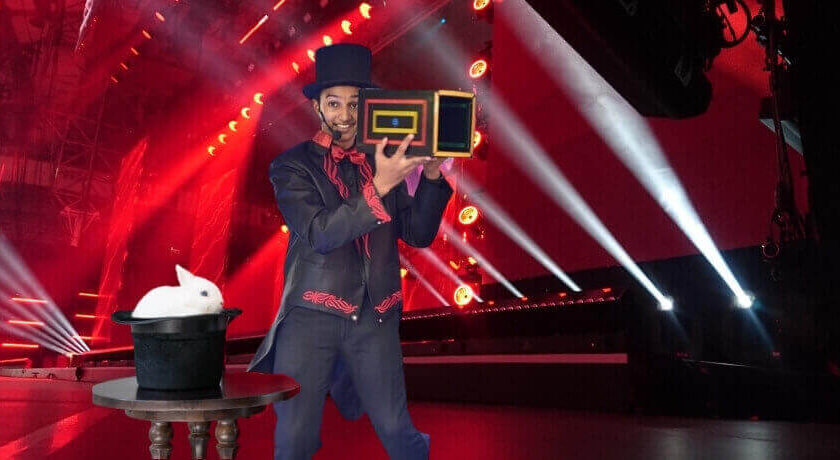
There is, however, one art form that consistently bridges these generational divides and commands undivided attention: magic. A live magic show possesses a unique, universal appeal that captivates a three-year-old just as easily as a cynical tech executive or a centenarian. By blending psychology, theater, comedy, and visual wonder, magic transcends age barriers, making it the definitive entertainment choice for any multi-generational gathering.

The Universal Psychology of Wonder

At its core, magic taps into a fundamental human trait that does not expire with age: curiosity. Human beings are hardwired to look for patterns, predict outcomes, and understand cause-and-effect relationships. When a magician disrupts these natural expectations, it triggers a psychological response known as the violation of expectation.

The Child’s Perspective: Pure Imagination

For young children, the world is already a place of discovery and fluid rules. They do not view a magic trick through the lens of skepticism; instead, they see their internal world of fantasy brought to life. When an object vanishes or a colorful silk appears from nowhere, it aligns perfectly with their sense of wonder. To a child, magic is not a puzzle to solve—it is a thrilling validation that anything is possible.

The Adult’s Perspective: Intellectual Engagement

Adults experience magic through a completely different psychological mechanism. Because adults understand the laws of physics, probability, and logic, a well-executed illusion challenges their established worldview. For an adult, the joy of a magic show lies in the intellectual surrender. It forces analytical minds to pause their constant problem-solving and embrace a rare moment of genuine mystery. The thought shifted from “How did they do that?” to a liberating “I have absolutely no idea, and that is brilliant.”

A Multi-Layered Performance Strategy

The finest modern magicians do not perform in a vacuum; they construct their shows with layers of engagement designed to hit different demographics simultaneously. This multi-layered approach ensures that no segment of the audience is left waiting for the next act.

Visual Vs. Cerebral Elements

  • Visual Spectacle: High-energy illusions, vibrant props, quick-change routines, and physical comedy keep the youngest members of the audience visually stimulated and physically anchored to their seats.

  • Cerebral Scripting: While the children are mesmerized by the physical props, the magician weaves sophisticated humor, witty banter, and psychological misdirection into the script. These elements fly completely over the heads of the kids but keep the teenagers and adults thoroughly entertained and laughing.

Modernizing the Art Form

Gone are the days when magic was confined to top hats, oversized capes, and predictable rabbit tricks. Today’s illusionists incorporate contemporary technology, modern music, and relatable storylines. By integrating smartphones, social media concepts, and everyday objects into their routines, performers ensure that even notoriously difficult-to-please teenagers find the performance relevant, trendy, and impressive.

Active Audience Participation Breaks the Fourth Wall

Unlike passive forms of entertainment like watching a movie or sitting through a traditional concert, magic inherently relies on the audience to exist. It is a live, interactive dialogue between the performer and the crowd.

Shared Vulnerability and Joy

When a magician brings a volunteer on stage, the entire dynamic of the room shifts. The audience is no longer just watching a hired professional; they are watching their friend, boss, child, or grandmother become part of the mystery. The collective breath held before a reveal, followed by a burst of laughter or applause, creates a powerful shared memory.

Empowering the Audience

Excellent family magicians often design their routines to make the volunteers—especially children—the heroes of the trick. When a child waves a wand and causes the magic to happen, their confidence soars, and the adults in the room experience the profound joy of witnessing that child’s pride and happiness. This interactive nature transforms a simple performance into a community-building event.

Clean, Inclusive, and Safe Entertainment

Finding entertainment that is entirely clean without being boring or juvenile is incredibly difficult. Many comedy acts rely on mature themes to get laughs, while children’s entertainers can quickly bore adults to tears.

A Safe Environment for Families

Magic inherently provides a wholesome environment without sacrificing sophistication. A magician can deliver a performance that is edge-of-your-seat exciting, deeply mysterious, and hysterically funny without ever resorting to inappropriate language, political divisiveness, or controversial themes. It creates a safe harbor where families can relax completely, knowing the content is universally appropriate.

Inclusivity Across Barriers

Magic is an heavily visual medium. This means it easily bypasses language barriers, cultural differences, and varying cognitive abilities. A levitation or a mind-reading feat communicates its message instantly, regardless of the language the spectator speaks at home. It democratizes entertainment, ensuring everyone in attendance feels included and respected.

Unmatched Versatility for Any Event Format

From a practical planning standpoint, magic offers a level of logistical flexibility that few other entertainment options can match. Whether you are hosting an intimate backyard birthday party or a grand corporate gala, magic adapts to the space and schedule seamlessly.

Close-Up Magic (Strolling Illusionists)

In this format, the magician moves through the crowd, performing miracles just inches from the guests’ eyes using cards, coins, and borrowed items. This is perfect for cocktail hours, wedding receptions, and networking events, serving as an icebreaker that gets strangers talking and laughing together.

Platform and Stage Shows

For larger gatherings, a structured stage show provides a centralized focus for the event. Stage magic utilizes sound, lighting, and grand illusions to create a theatrical experience that commands the entire room’s attention, uniting hundreds of people in a singular, breathtaking moment.

Frequently Asked Questions

Is a magic show suitable for toddlers who might have trouble sitting still?

Yes, a professional family magician tailors the performance specifically to accommodate short attention spans. These shows are highly interactive, fast-paced, and filled with physical comedy and bright visuals that keep toddlers engaged. Good performers encourage vocal participation, meaning kids do not have to sit perfectly silent to enjoy the experience.

How do magicians keep teenagers engaged when they are usually skeptical?

Experienced magicians engage teenagers by avoiding childish tropes and instead focusing on high-impact mind reading, mentalism, and sleight of hand using modern technology like smartphones. By treating teenagers with intellectual respect and presenting magic as a sophisticated puzzle or a psychological experiment, performers easily break through their initial skepticism.

Can a magic show accommodate guests with special needs or sensory sensitivities?

Absolutely. Professional magicians are highly adaptable and can modify their performance style to suit the sensory needs of the audience. By reducing sudden loud noises, avoiding strobe lighting, and managing audience participation gently, a magician can create a comfortable, inclusive environment where everyone feels safe and entertained.

What is the ideal duration for a multi-generational magic show?

For a general audience encompassing all ages, the sweet spot for a stage magic show is typically between 45 and 60 minutes. This duration is long enough to develop a narrative, showcase a variety of illusions, and include plenty of audience participation, yet short enough to conclude before young children become restless.

How much space does a magician require to perform at a private venue or home?

One of the greatest benefits of magic is its logistical flexibility. For close-up or strolling magic, no stage space is required at all. For a formal parlor or stage show, a clear area of roughly 8 by 10 feet is usually sufficient for the performer and their props, allowing them to adapt easily to living rooms, community halls, or hotel banquet rooms.

Why should I choose a live magician over hiring a musical act or a DJ?

While music is excellent for background atmosphere, it rarely commands focused, collective attention or fosters direct interaction among guests. A magic show acts as a shared interactive experience that breaks the ice, stimulates conversation, and creates specific, memorable highlights that guests will discuss long after the event concludes.

read more
Dance

How to Shake Off Stage Fright Before a Big Dance Performance

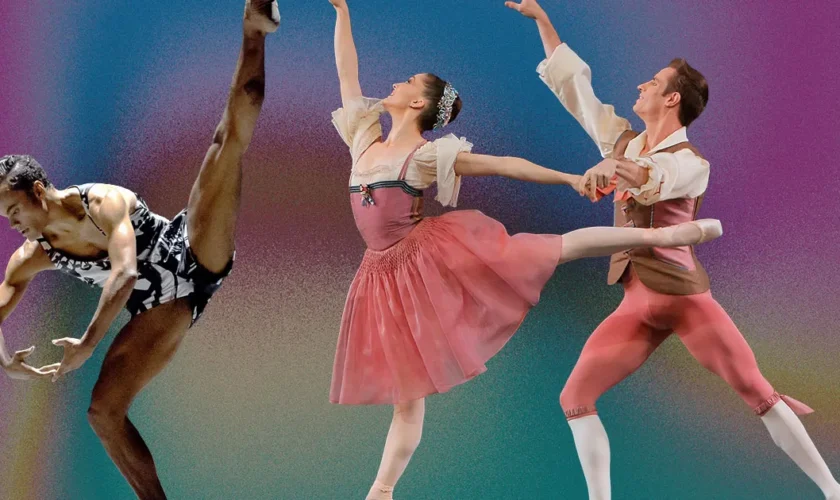
The moments leading up to a dance performance are often a chaotic blur of hairpins, costume adjustments, and booming music echoes from the main stage. For many dancers, this backstage environment triggers a deeply uncomfortable physical response: rapid heartbeats, trembling hands, a cold sweat, and a sudden wave of self-doubt. Stage fright is an incredibly common phenomenon, affecting everyone from beginner students to seasoned principal ballerinas.

This performance anxiety is not a sign of weakness or a lack of preparation. Instead, it is a natural psychological and physiological reaction to high-stakes situations. When you step into the spotlight, your brain perceives the audience as a collective threat, triggering your evolutionary fight-or-flight response. The secret to a flawless performance is not trying to eliminate this nervous energy entirely, but learning how to harvest, control, and redirect it into your movement.

Understanding the Physiology of Performance Anxiety

To conquer stage fright, you must first understand what is happening inside your body. When anxiety hits, your adrenal glands flood your bloodstream with epinephrine and cortisol. This hormonal surge causes your muscles to tighten, your breathing to become shallow, and your mind to race.

For a dancer, muscle tension is the enemy of fluid movement. Tight shoulders alter your alignment, stiff ankles increase the risk of injury, and shallow breathing reduces the oxygen flow needed for stamina. By recognizing these physical symptoms as mere chemical signals rather than actual evidence that you will fail, you can begin to regain control over your body.

Pre-Performance Routines to Anchor Your Mind

Establishing a consistent, predictable routine during the hours leading up to showtime is one of the most effective ways to combat anxiety. When your external environment is predictable, your internal nervous system begins to settle.

The Power of Controlled Warm-Ups

A thorough warm-up serves a dual purpose. It prepares your muscles for the physical demands of choreography, and it channels your nervous adrenaline into productive physical exertion.

  • Gradual Mobilization: Begin with gentle joint mobility exercises, focusing on your neck, shoulders, and hips where stress commonly accumulates.

  • Cardiovascular Elevation: Spend five minutes jumping rope, doing jumping jacks, or jogging in place. This matches your internal heart rate to the adrenaline rush, tricking your brain into thinking the elevated heart rate is due to exercise rather than fear.

  • Proprioceptive Focus: Engage in balance exercises. Standing on one leg with your eyes closed forces your brain to focus entirely on internal bodily awareness, pulling your attention away from external anxieties.

Mental Rehearsal and Spatial Mapping

Backstage chaos can easily distract you from your choreography. Use systematic visualization techniques to ground your focus.

  • Closed-Eye Run-Throughs: Find a quiet corner backstage, close your eyes, and mentally walk through your entire routine to the timing of the music. Visualize yourself executing difficult turns perfectly and landing leaps softly.

  • Stage Walk: If possible, walk the physical stage before the audience arrives. Identify the center point, note the locations of the wings, and check the texture of the floor. Familiarizing yourself with the physical space removes the element of the unknown.

Somatic and Breathing Techniques for Instant Calm

When you are standing in the wings waiting for your cue, you need rapid-acting tools to down-regulate your nervous system. Somatic exercises focus on using the body to calm the mind.

Box Breathing

This breathing technique is utilized by high-performance individuals, from athletes to military personnel, to instantly lower heart rates and restore mental clarity.

  1. Inhale deeply through your nose for a slow count of four.

  2. Hold that breath in your lungs for a count of four.

  3. Exhale completely through your mouth for a count of four.

  4. Hold your lungs empty for a count of four.

  5. Repeat this cycle four to five times until your heartbeat stabilizes.

Progressive Muscle Relaxation

Because stage fright causes unconscious muscle gripping, intentionally tightening and releasing your muscles can break the cycle of tension.

  • The Technique: Scrunch your toes as hard as you can for five seconds, then release them completely. Move up to your calves, thighs, glutes, core, shoulders, and jaw, tensing each zone before intentionally letting it melt into relaxation.

Shifting Your Psychological Perspective

Much of the terror associated with stage fright stems from cognitive distortions. Dancers often place undue pressure on themselves by focusing on perfection rather than expression.

Reframing Nervousness as Excitement

Physiologically, nervousness and excitement are identical states of arousal. Both involve a racing heart, heightened alertness, and a surge of energy. The only difference is the mental label you assign to the sensation. When you feel the familiar flutter in your stomach, consciously tell yourself that your body is simply getting excited to perform rather than being afraid of it.

Shifting Focus from Self to Audience

Anxiety makes you hyper-focused on your own perceived flaws. You worry about dropping a prop, forgetting a step, or looking awkward. To counteract this, shift your intention outward. Remember that the audience did not buy tickets to judge you; they came to be entertained, inspired, and moved. Treat your dance as a gift you are presenting to the audience rather than a test you must pass.

Practical Backstage Logistics

Sometimes, logistical oversights can amplify performance anxiety. Ensuring your gear and environment are managed will keep unexpected stress at bay.

  • Pack an Emergency Kit: Eliminate the fear of a wardrobe malfunction by carrying extra bobby pins, safety pins, clear nail polish for tights, hairspray, and extra tape. Knowing you can fix any issue instantly builds confidence.

  • Manage Your Diet and Hydration: Avoid high-sugar snacks or excessive caffeine before going on stage, as these can exacerbate tremors and palpitations. Opt for complex carbohydrates and lean proteins, such as oatmeal or a banana with peanut butter, to provide sustained energy.

  • Limit Negative Social Interactions: Stay away from anxious peers backstage who are venting about their fears or obsessing over mistakes. Politely excuse yourself, put on headphones, and listen to a calming playlist or the performance track.

Frequently Asked Questions

What should I do if I forget my choreography while on stage?

If your mind goes blank mid-performance, the most important rule is to keep moving. Never stop, look shocked, or run off the stage. Lean into the music, use improvisation that matches the style of the piece, and look for a clear opportunity to jump back into the choreography when you recognize a specific musical cue or formation change. The audience rarely knows the exact choreography, so if you keep moving confidently, they will assume it was intentional.

How can I stop my legs from shaking during slow, controlled balances?

Shaking legs are typically caused by an excess of adrenaline combined with shallow breathing. To stabilize your limbs, focus heavily on grounding your weight into the floor through your supporting leg. Intentionally engage your core muscles to take the pressure off your extremities, and exhale deeply during the extension or balance to release the trapped muscular tension.

Is it helpful to look directly at people in the audience?

For most dancers struggling with stage fright, looking directly into the eyes of audience members can heighten anxiety. Instead, look slightly above the heads of the crowd, focusing on the back wall of the theater, the balcony seating, or the tech booth. This allows you to maintain proper head alignment and project your performance outward without getting distracted by individual faces.

What if I make a glaring mistake in front of a panel of judges?

Judges are not just looking for a technically perfect performance; they are evaluating your professionalism and resilience. If you fall, slip, or miss a beat, recover immediately with a smile and continue dancing with maximum energy. A dancer who handles a mistake with grace and unwavering confidence often scores higher than a dancer who gives up mentally after a minor error.

How soon before a show should I stop practicing the routine?

Stop drilling the choreography intensely at least thirty minutes before you are scheduled to perform. Over-practicing at the very last minute leads to physical fatigue and mental burnout. Use those final thirty minutes exclusively for mental visualization, breathing exercises, and maintaining a light, warm body temperature.

Can stage fright ever completely go away over time?

While the physical rush of adrenaline rarely disappears completely, your relationship with it will change. With consistent performance experience and the regular application of anxiety management techniques, the terror will transform into a manageable buzz of excitement. You will learn to recognize the feeling not as fear, but as your body preparing to perform at its absolute highest level.

read more
Uncategorized

How Music Streaming Algorithms Are Changing How We Discover Artists

The way human beings find new music has undergone a fundamental transformation. For decades, music discovery was defined by physical gatekeepers. Radio disc jockeys, record store employees, music journalists, and late-night television bookers decided which artists made it into the public consciousness. Finding a subterranean indie band or an avant-garde jazz artist required deliberate effort, manual exploration, and often a bit of luck.

Today, that ecosystem has been entirely replaced by lines of code. Modern music streaming platforms serve more than five hundred million active users globally, offering libraries exceeding one hundred million tracks. Because the sheer volume of available music is overwhelming for any single human listener to navigate, engineering teams developed recommendation engines to filter the noise.

These algorithms do not just organize music; they actively shape cultural tastes, determine which artists achieve mainstream financial viability, and alter how musicians compose their art. Understanding the mechanics behind these algorithmic systems reveals a complex interplay between computer science, behavioral psychology, and the changing economics of the creative world.

The Three Pillars of Modern Audio Recommendation Systems

Streaming algorithms do not rely on a single calculation to decide what song plays next. Instead, they combine three distinct methodologies to paint a comprehensive picture of both the music and the listener.

Collaborative Filtering

Collaborative filtering builds a mathematical profile of a user based on their specific behavior, then compares that profile to millions of other users. If User A and User B share a ninety percent overlap in their listening habits, the system assumes that a new song favored by User A will appeal to User B.

This model tracks subtle metrics beyond whether a song was played. It measures skips, repeats, playlist additions, and how long a user lingers on a track before shifting to another artist. Through this process, the system groups listeners into thousands of micro-clusters, creating a map of shared tastes that operates entirely independently of genre labels.

Natural Language Processing

Natural language processing involves scanning the internet to see what the world thinks about a specific artist or song. The system deploys web crawlers to analyze music blogs, social media discussions, forum threads, and online news articles.

By evaluating the text, the algorithm extracts descriptive adjectives and metadata associated with an artist. If thousands of online posts group a specific indie artist with terms like chill, bedroom pop, or nostalgic, the algorithm links those concepts to the artist profile. This allows the system to understand cultural context and current trends that numeric listening data alone might miss.

Raw Audio Analysis

Raw audio analysis prevents the algorithm from ignoring brand-new artists who have no existing audience or internet presence. Using specialized software networks, the platform analyzes the actual acoustic characteristics of a digital audio file.

The system breaks a song down into core acoustic variables:

  • Tempo and Rhythm: Measuring beats per minute and rhythmic stability.

  • Key and Modality: Identifying the mathematical structure of the chords and scales used.

  • Timbre and Texture: Analyzing the color of the sound, distinguishing between acoustic instruments and synthetic production.

  • Loudness and Energy: Quantifying the psychological intensity and dynamic range of the track.

By mapping these sonic signatures, the system can identify a brand-new track that matches the acoustic footprint of established hits and seamlessly insert it into personalized user queues.

The Homogenization of Taste and the Echo Chamber Effect

While recommendation engines excel at keeping users engaged inside an application, their predictive nature creates structural challenges for cultural diversity. Because algorithms are trained to maximize user retention and minimize skips, they naturally favor predictable musical structures.

This creates an algorithmic echo chamber. If a listener shows a slight preference for mid-tempo electronic music, the platform will continuously feed them similar tracks to avoid a jarring user experience. Over time, the user is exposed to a narrowing band of sonic variety.

For independent artists, this dynamic is double-edged. An independent creator can find a highly specific, dedicated niche audience overnight if the algorithm matches them with the correct cluster of listeners. However, escaping that initial niche becomes increasingly difficult. The system rarely takes radical creative risks, meaning cross-genre discovery happens far less frequently than it did during the era of human-curated college radio.

How Algorithmic Frameworks Alter Songwriting Practices

The pressure to survive within a recommendation-driven economy has fundamentally altered how musicians compose and produce music. Artists and production teams now optimize their song structures to satisfy mathematical constraints.

The most notable shift occurs in the first thirty seconds of a track. On major streaming services, a play is only monetized and counted toward chart positions if the user listens for at least thirty seconds. If a user skips a song before this threshold, the algorithm registers the skip as a negative signal, lowering the song’s future visibility.

Consequently, traditional songwriting elements like long, atmospheric instrumentals or slow-building introductions have largely vanished from mainstream releases. Modern pop, hip-hop, and indie tracks frequently place the main hook or chorus within the first fifteen seconds to hook the listener immediately. Vocals often begin within the first three seconds, and track lengths have grown shorter overall to maximize total replay volume.

Passive Consumption vs Active Curation

The rise of algorithmic playlists like Discover Weekly, Daily Mixes, and infinite autoplay queues has shifted the human relationship with music from active curation to passive consumption.

Historically, music consumption required intent. A consumer had to buy a physical record, type an artist’s name into a search bar, or choose to tune into a specific radio broadcast. In this environment, the listener formed a strong cognitive connection with the identity of the artist.

In the algorithmic era, millions of listeners stream music as ambient background audio for studying, working, or exercising. Songs are served continuously based on mood categories like focus, sleep, or workout. While this helps obscure artists gain millions of streams through placement on highly populated mood playlists, it frequently disconnects the music from the creator. A listener might love a specific song on their morning commute playlist but never look at the screen to learn the artist’s name, hometown, or creative catalog, resulting in high stream counts but low long-term fan loyalty.

The Future of Music Discovery

As artificial intelligence and machine learning models grow more sophisticated, music discovery will move beyond simple behavioral tracking toward hyper-contextual automation. Future systems will likely integrate real-time biometric and environmental data to select audio.

Platforms will utilize smart devices to assess a user’s heart rate, localized weather conditions, and physical movement speed to dynamically adjust the tempo and tone of the music feed. While this level of personalization offers unmatched convenience, the industry faces an ongoing debate regarding how to balance machine efficiency with the unpredictable, human elements of creative expression that historical music movements were built upon.

Frequently Asked Questions

What is the difference between a curated playlist and an algorithmic playlist?

A curated playlist is built by human editors who manually select songs based on historical knowledge, cultural taste, or personal preference. An algorithmic playlist is dynamically generated for each individual user by a computer program, utilizing behavioral data, listening histories, and audio analysis to customize the tracklist automatically.

Why do some obscure artists have millions of streams but very few social media followers?

This occurs when an artist’s track is selected by an algorithm for placement on a massive, passive mood playlist, such as instrumental study music or workout pop. Millions of users stream the playlist in the background without actively looking up the artist’s identity, resulting in high play counts but minimal direct fan engagement.

Do streaming algorithms favor major record labels over independent artists?

While algorithms themselves process data impartially, major labels possess the marketing budgets to drive high initial traffic, radio play, and social media engagement. This massive influx of early data feeds positive signals into the algorithm, causing the system to recommend those heavily backed tracks more aggressively to the general public.

How does skipping a song impact an artist’s algorithmic visibility?

Skipping a song within the first thirty seconds sends a strong negative indicator to the recommendation system. It signals that the track did not match the user’s current mood or taste, causing the algorithm to reduce recommendations for that song to similar users in the future.

Can an artist optimize their track metadata to rank higher in streaming algorithms?

Yes, artists can input detailed metadata when distributing music, including specific genre tags, instruments used, mood descriptions, and vocal styles. Accurate metadata allows natural language processing systems and search functions to categorize the track correctly, increasing the likelihood of accurate user matching.

Does the algorithm analyze user habits across different times of the day?

Yes, modern recommendation engines track temporal data. They recognize that a user may prefer high-energy tracks at eight in the morning during a workout, ambient instrumental music at two in the afternoon for focus, and mellow acoustic songs at nine in the evening to unwind.

How many seconds must a user listen to a song for it to count as a stream?

On the vast majority of major music streaming platforms, a song must be played continuously for at least thirty seconds to register as an official stream for payment royalties and data tracking purposes.

read more