Dance, in all its myriad forms, is far more than the rhythmic movement of bodies to music. It is an ancient, instinctive language that transcends barriers of culture, geography, and even time. From the ritualistic dances of early human civilizations to the modern fusion of street styles and contemporary ballet, dance has always served as a potent conduit for emotion, storytelling, and communal identity.
At its core, dance is the embodiment of expression. Where words falter, movement speaks. It captures the ineffable—those fleeting, complex emotions that are difficult to articulate. In a world increasingly reliant on digital and written communication, the physical immediacy of dance remains a powerful reminder of the human need for tactile and emotional resonance. The twist of a torso, the gentle arc of a hand, or the stamp of a foot can convey joy, grief, defiance, and longing with a clarity that no text message could replicate.
Historically, dance has been deeply interwoven with spiritual and social practices. In many indigenous cultures, it is not merely an art form but a sacred act, used in rituals to communicate with deities, honor ancestors, or mark significant life transitions. The whirling dervishes of the Sufi tradition, for instance, use dance as a form of meditative devotion, where the repetitive, spiraling movement becomes a vehicle for transcending the self and approaching the divine. Similarly, the vibrant dances of African tribes, the intricate gestures of Indian Bharatanatyam, and the exuberant circle dances of Eastern Europe each reflect the values, myths, and rhythms of the societies that birthed them.
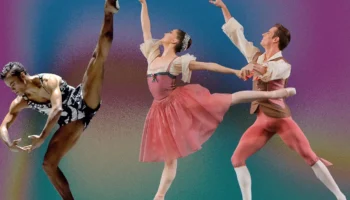
In the West, the evolution of dance has mirrored broader cultural shifts. During the Renaissance, dance transitioned from courtly pastime to refined spectacle, with ballets staged in the grand halls of European nobility. These performances, meticulously choreographed and elegantly costumed, celebrated grace, order, and narrative. Ballet, with its emphasis on line, poise, and precision, became the benchmark of high artistic achievement—a tradition that continues to command reverence today.
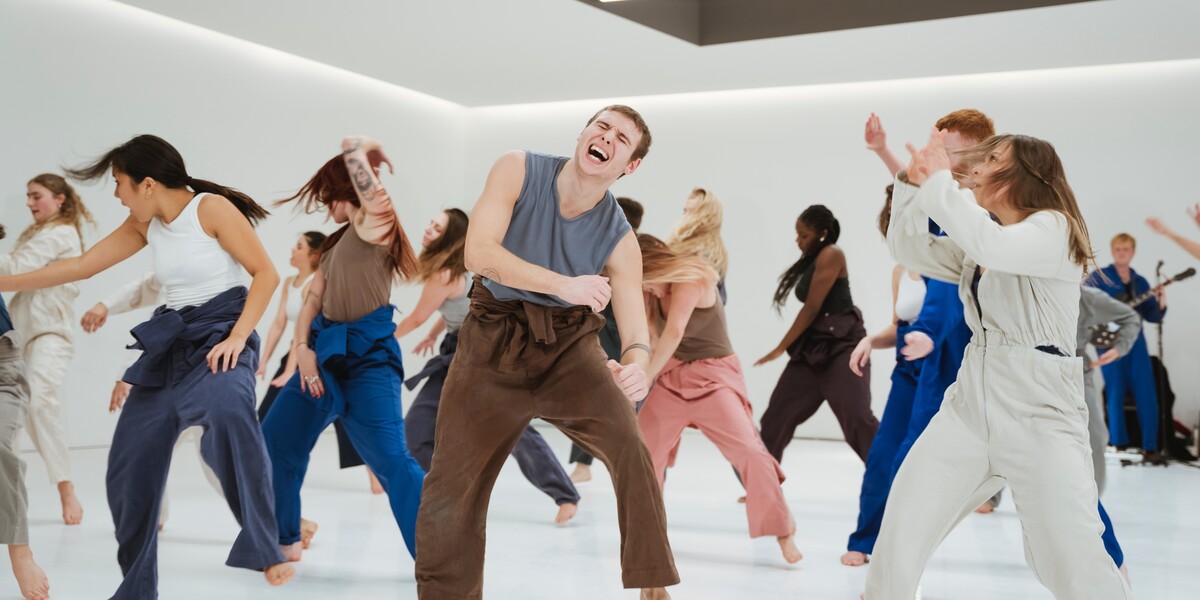
Yet, with the advent of the 20th century came an explosion of new forms that challenged traditional hierarchies and definitions. Modern dance pioneers like Isadora Duncan and Martha Graham rejected the rigid structures of classical ballet in favor of more natural, expressive movement. They sought authenticity, drawing inspiration from the body’s innate impulses and the emotional undercurrents of life itself. This shift democratized dance, making space for the individual—regardless of class or formal training—to find a voice through movement.
In tandem with these innovations came the rise of popular and street styles. Jazz, tap, hip-hop, breakdancing—all emerged from marginalized communities as expressions of identity, resistance, and resilience. These forms, often improvisational and deeply rooted in rhythm, underscored dance’s role as a living, breathing commentary on society. They also highlighted its communal nature: in cyphers, on street corners, and in clubs, dance became a dialogue—a way for people to connect, compete, and create together.
One cannot speak of dance without acknowledging its physicality. It demands discipline, stamina, and an intimate understanding of one’s body. Dancers often train for years to master techniques, build muscle memory, and refine their craft. Yet, within this physical rigor lies a paradox: the best dancers make it look effortless. The power of a grand jeté or the subtle tension of a sustained arabesque can move audiences precisely because they seem to transcend physical limitation. This illusion of effortlessness, however, is the result of relentless practice, injury, and an unwavering commitment to the art.
Dance also offers profound psychological and emotional benefits. Studies have shown that dancing can reduce stress, improve cognitive function, and boost mood. It fosters mindfulness—when dancing, one is wholly present, attuned to the beat, the breath, the space. In a time when mental health challenges are increasingly prevalent, the therapeutic potential of dance should not be underestimated. Dance therapy, in particular, has emerged as a powerful modality for individuals coping with trauma, illness, or emotional blocks. By moving the body, one often unlocks hidden truths of the mind.
Moreover, the world of dance today is more diverse and dynamic than ever. Choreographers and dancers are breaking boundaries, fusing genres, and embracing hybridity. TikTok trends now sit alongside classical repertory; K-pop routines share the stage with flamenco and salsa. This global interchange enriches the dance landscape, allowing for innovation while honoring tradition. At the same time, it raises important questions about cultural appropriation versus appreciation—issues that the dance community continues to navigate with increasing sensitivity and awareness.
Technology, too, has expanded dance’s reach. Digital platforms enable dancers from remote corners of the world to showcase their work, collaborate, and inspire one another. During the COVID-19 pandemic, virtual performances and Zoom classes sustained the dance world, proving that while the stage may be a traditional home, the spirit of dance is far from confined to any single space.
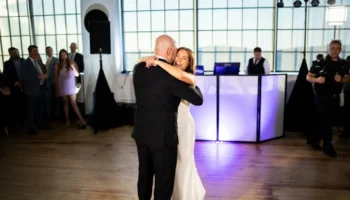
Ultimately, dance is about connection—connection to the self, to others, and to something larger. It is both deeply personal and profoundly universal. Whether one is a seasoned performer or an untrained participant swaying to a favorite song, the impulse to move is innate. It is in our biology, our history, our collective memory. In dance, we find freedom, purpose, and belonging.
As the world continues to change—rapidly, sometimes chaotically—dance endures. It reminds us that even in silence, we can speak. Even in stillness, we can feel. And even in difference, we can find harmony.