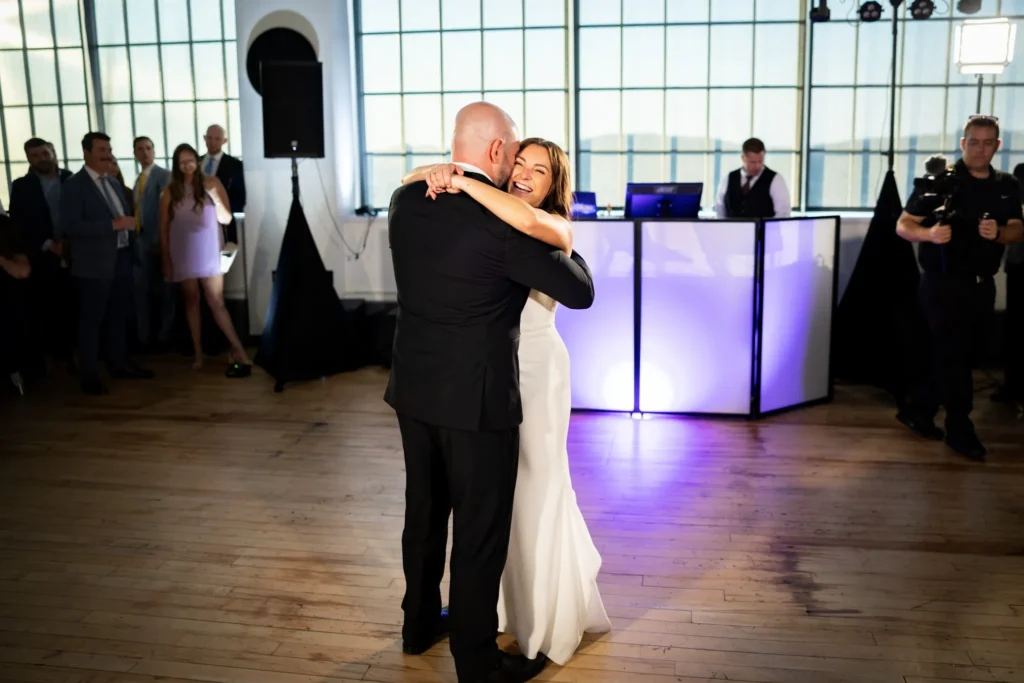
Your first dance as a married couple is one of the most anticipated moments of your wedding day. It is a tradition that signifies your debut to society as a partnership, capturing the essence of your romance in a few short minutes. For many couples, however, selecting the single piece of music that will accompany this moment feels overwhelming.
With thousands of potential songs spanning decades and genres, narrowing the choice down to one track requires careful thought. The ideal song needs to balance your personal history, your technical comfort level on the dance floor, and the overall atmosphere of your celebration. This comprehensive guide will walk you through the essential steps to discover, evaluate, and select a first dance song that feels authentically yours.
Understanding Your Couple Style
Before scrolling through endless streaming playlists, take a step back and examine your shared identity as a couple. Your first dance song should reflect your real-world relationship rather than a generic standard of what a wedding should be.
Identifying Shared Musical Memories
The most meaningful songs often come from your own history. Sit down together and brainstorm your musical milestones by asking yourselves these questions:
-
What concerts have you attended together?
-
Is there an album you played on repeat during a memorable road trip?
-
What song was playing in the background during your first date or your proposal?
-
Do you have a favorite artist or band that you both genuinely love?
Matching the Vibe of Your Wedding
Your song choice should complement the overall aesthetic and venue of your wedding. A grand ballroom reception calls for a different musical energy than a casual barefoot ceremony on a beach.
-
Classic and Elegant: If you are hosting a traditional black-tie affair in a historic venue, timeless tracks by artists like Etta James, Frank Sinatra, or Nat King Cole establish a sophisticated atmosphere.
-
Modern and Trendy: For a contemporary loft or museum wedding, current indie, R&B, or pop ballads by artists like Leon Bridges, Taylor Swift, or John Legend fit perfectly.
-
Rustic and Relaxed: A barn, vineyard, or backyard wedding pairs beautifully with acoustic, folk, or country melodies from artists like Chris Stapleton, Kacey Musgraves, or The Lumineers.
Evaluating the Practicalities: Lyrics, Tempo, and Length
A song might sound beautiful in your car, but dancing to it in front of a room full of guests presents a different set of challenges. You must analyze the technical elements of the music before making a final commitment.
Analyzing the Lyrics
It is incredibly common for couples to choose a song based entirely on a catchy melody, only to realize later that the lyrics describe a breakup, unrequited love, or infidelity.
Take the time to read the full lyric sheet. Ensure the narrative celebrates commitment, mutual respect, and enduring love. While a little bit of melancholy can add emotional depth, you generally want to avoid songs that dwell on heartbreak or toxic relationship dynamics on your wedding day.
Finding the Right Tempo
The tempo of the song dictates how you will move across the floor. If you plan to take professional ballroom dance lessons, consult your instructor early on.
-
The Slow Sway: Songs with a 4/4 time signature and a relaxed, slow tempo are ideal if you plan to simply sway back and forth.
-
The Traditional Waltz: If you want a classic, sweeping dance, you will need a song written in a 3/4 time signature, such as Norah Jones’s “Come Away With Me.”
-
Upbeat and Choreographed: If you want to surprise your guests with a high-energy routine, look for mid-tempo or upbeat pop, funk, or soul tracks.
Managing Song Duration
The sweet spot for a first dance song is between two and three minutes. Anything longer than three and a half minutes can begin to feel tedious for your guests and physically exhausting for you, especially if you are wearing heavy formal wear.
If your dream song is four or five minutes long, ask your wedding DJ or live band to create a custom edit. They can seamlessly fade the track out early or cut out a repetitive bridge to keep the performance concise and engaging.
Categorizing Potential Song Options
To help inspire your search, it helps to look at potential tracks across different thematic categories. Here are some of the most enduring and impactful styles of first dance music.
Timeless Classics
These tracks have stood the test of time and carry a universal appeal that resonates across generations.
-
“At Last” by Etta James
-
“Can’t Help Falling in Love” by Elvis Presley
-
“Unforgettable” by Nat King Cole
-
“Fly Me to the Moon” by Frank Sinatra
-
“Your Song” by Elton John
Modern Romantics
If you prefer contemporary songwriting and production, these modern tracks offer deep romantic sentiment.
-
“Beyond” by Leon Bridges
-
“Lover” by Taylor Swift
-
“Die With A Smile” by Bruno Mars and Lady Gaga
-
“Conversations in the Dark” by John Legend
-
“First Times” by Ed Sheeran
Indie and Alternative Gems
For couples who want something unique and less mainstream, indie and alternative artists offer highly poetic options.
-
“First Day of My Life” by Bright Eyes
-
“You Are the Best Thing” by Ray LaMontagne
-
“Simply the Best” by Noah Reid
-
“Real Love Baby” by Father John Misty
-
“Sea of Love” by Cat Power
Tips for the Perfect Dance Performance
Once you have selected your song, a few practical preparations will ensure that the actual performance goes off without a hitch.
-
Practice in Your Wedding Shoes: Do not wait until the wedding day to find out that your shoes slip on polished floors or that your heels catch on the hem of your garment. Practice dancing together in the exact footwear, or shoes of identical height, that you will wear to the reception.
-
Consider Your Attire: A restrictive mermaid gown, a long train, or a tight tuxedo jacket will limit your range of motion. Keep your wardrobe in mind when planning spins, dips, or lifts.
-
Coordinate with Your Photographer and Videographer: Let your media team know if you have choreographing moments, such as a dramatic dip at the very end of the song. This ensures they are positioned correctly to capture the shot.
Frequently Asked Questions
What should we do if we cannot agree on a single song?
If you and your partner have completely different musical tastes, look for compromise through cover versions. For example, if one person loves heavy rock and the other prefers acoustic pop, look for an acoustic or orchestral cover of a favorite rock song. Alternatively, you can use one person’s choice for the ceremony processional and the other’s choice for the first dance.
Is it acceptable to choose an upbeat song instead of a ballad?
Absolutely. There are no rules stating that a first dance must be slow. An upbeat song is an excellent way to set an energetic, joyful tone for the rest of the reception and can seamlessly transition into opening the dance floor for all of your guests.
When during the reception should we do the first dance?
The two most common timelines are either immediately after your grand entrance into the reception room or right after the dinner service concludes. Dancing immediately after your entrance capitalizes on the high energy of the room and gets the performance out of the way so you can relax for the rest of the evening. Dancing after dinner serves as the perfect catalyst to transition guests from their tables to the dance floor.
Should we take professional dance lessons?
Dance lessons are not mandatory, but they are highly recommended if you feel anxious about dancing in public. Even just two or three sessions can provide you with a basic framework, improve your posture, and give you the confidence needed to avoid the standard high school sway.
How do we handle live band performances versus the original recorded track?
If you have hired a live band, ask them early on if they are willing to learn your song. Keep in mind that a live band will sound different than the original studio recording. If you are deeply attached to the specific vocal styling or production of the original track, it is completely acceptable to ask your band or DJ to play the recorded version instead.
What if we get nervous and want to cut the dance short?
You can establish a cue with your DJ or band leader before the reception begins. Agree on a signal, such as a nod or a specific hand gesture, that tells them to smoothly fade out the music whenever you feel ready to finish, even if it is only ninety seconds into the song.