
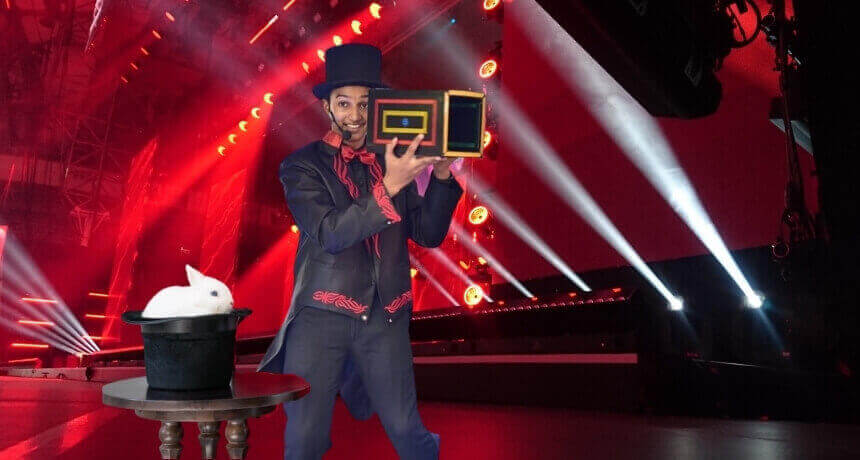
When planning an event, event organizers, party hosts, and corporate planners face a perennial challenge: finding entertainment that genuinely appeals to everyone. A room filled with toddlers, teenagers, parents, and grandparents represents a massive diversity of attention spans, cultural references, and personal tastes. Musical styles divide generations, comedians can easily miss the mark or offend, and movies fail to engage a crowd dynamically.
There is, however, one art form that consistently bridges these generational divides and commands undivided attention: magic. A live magic show possesses a unique, universal appeal that captivates a three-year-old just as easily as a cynical tech executive or a centenarian. By blending psychology, theater, comedy, and visual wonder, magic transcends age barriers, making it the definitive entertainment choice for any multi-generational gathering.
The Universal Psychology of Wonder
At its core, magic taps into a fundamental human trait that does not expire with age: curiosity. Human beings are hardwired to look for patterns, predict outcomes, and understand cause-and-effect relationships. When a magician disrupts these natural expectations, it triggers a psychological response known as the violation of expectation.
The Child’s Perspective: Pure Imagination
For young children, the world is already a place of discovery and fluid rules. They do not view a magic trick through the lens of skepticism; instead, they see their internal world of fantasy brought to life. When an object vanishes or a colorful silk appears from nowhere, it aligns perfectly with their sense of wonder. To a child, magic is not a puzzle to solve—it is a thrilling validation that anything is possible.
The Adult’s Perspective: Intellectual Engagement
Adults experience magic through a completely different psychological mechanism. Because adults understand the laws of physics, probability, and logic, a well-executed illusion challenges their established worldview. For an adult, the joy of a magic show lies in the intellectual surrender. It forces analytical minds to pause their constant problem-solving and embrace a rare moment of genuine mystery. The thought shifted from “How did they do that?” to a liberating “I have absolutely no idea, and that is brilliant.”
A Multi-Layered Performance Strategy
The finest modern magicians do not perform in a vacuum; they construct their shows with layers of engagement designed to hit different demographics simultaneously. This multi-layered approach ensures that no segment of the audience is left waiting for the next act.
Visual Vs. Cerebral Elements
-
Visual Spectacle: High-energy illusions, vibrant props, quick-change routines, and physical comedy keep the youngest members of the audience visually stimulated and physically anchored to their seats.
-
Cerebral Scripting: While the children are mesmerized by the physical props, the magician weaves sophisticated humor, witty banter, and psychological misdirection into the script. These elements fly completely over the heads of the kids but keep the teenagers and adults thoroughly entertained and laughing.
Modernizing the Art Form
Gone are the days when magic was confined to top hats, oversized capes, and predictable rabbit tricks. Today’s illusionists incorporate contemporary technology, modern music, and relatable storylines. By integrating smartphones, social media concepts, and everyday objects into their routines, performers ensure that even notoriously difficult-to-please teenagers find the performance relevant, trendy, and impressive.
Active Audience Participation Breaks the Fourth Wall
Unlike passive forms of entertainment like watching a movie or sitting through a traditional concert, magic inherently relies on the audience to exist. It is a live, interactive dialogue between the performer and the crowd.
Shared Vulnerability and Joy
When a magician brings a volunteer on stage, the entire dynamic of the room shifts. The audience is no longer just watching a hired professional; they are watching their friend, boss, child, or grandmother become part of the mystery. The collective breath held before a reveal, followed by a burst of laughter or applause, creates a powerful shared memory.
Empowering the Audience
Excellent family magicians often design their routines to make the volunteers—especially children—the heroes of the trick. When a child waves a wand and causes the magic to happen, their confidence soars, and the adults in the room experience the profound joy of witnessing that child’s pride and happiness. This interactive nature transforms a simple performance into a community-building event.
Clean, Inclusive, and Safe Entertainment
Finding entertainment that is entirely clean without being boring or juvenile is incredibly difficult. Many comedy acts rely on mature themes to get laughs, while children’s entertainers can quickly bore adults to tears.
A Safe Environment for Families
Magic inherently provides a wholesome environment without sacrificing sophistication. A magician can deliver a performance that is edge-of-your-seat exciting, deeply mysterious, and hysterically funny without ever resorting to inappropriate language, political divisiveness, or controversial themes. It creates a safe harbor where families can relax completely, knowing the content is universally appropriate.
Inclusivity Across Barriers
Magic is an heavily visual medium. This means it easily bypasses language barriers, cultural differences, and varying cognitive abilities. A levitation or a mind-reading feat communicates its message instantly, regardless of the language the spectator speaks at home. It democratizes entertainment, ensuring everyone in attendance feels included and respected.
Unmatched Versatility for Any Event Format
From a practical planning standpoint, magic offers a level of logistical flexibility that few other entertainment options can match. Whether you are hosting an intimate backyard birthday party or a grand corporate gala, magic adapts to the space and schedule seamlessly.
Close-Up Magic (Strolling Illusionists)
In this format, the magician moves through the crowd, performing miracles just inches from the guests’ eyes using cards, coins, and borrowed items. This is perfect for cocktail hours, wedding receptions, and networking events, serving as an icebreaker that gets strangers talking and laughing together.
Platform and Stage Shows
For larger gatherings, a structured stage show provides a centralized focus for the event. Stage magic utilizes sound, lighting, and grand illusions to create a theatrical experience that commands the entire room’s attention, uniting hundreds of people in a singular, breathtaking moment.
Frequently Asked Questions
Is a magic show suitable for toddlers who might have trouble sitting still?
Yes, a professional family magician tailors the performance specifically to accommodate short attention spans. These shows are highly interactive, fast-paced, and filled with physical comedy and bright visuals that keep toddlers engaged. Good performers encourage vocal participation, meaning kids do not have to sit perfectly silent to enjoy the experience.
How do magicians keep teenagers engaged when they are usually skeptical?
Experienced magicians engage teenagers by avoiding childish tropes and instead focusing on high-impact mind reading, mentalism, and sleight of hand using modern technology like smartphones. By treating teenagers with intellectual respect and presenting magic as a sophisticated puzzle or a psychological experiment, performers easily break through their initial skepticism.
Can a magic show accommodate guests with special needs or sensory sensitivities?
Absolutely. Professional magicians are highly adaptable and can modify their performance style to suit the sensory needs of the audience. By reducing sudden loud noises, avoiding strobe lighting, and managing audience participation gently, a magician can create a comfortable, inclusive environment where everyone feels safe and entertained.
What is the ideal duration for a multi-generational magic show?
For a general audience encompassing all ages, the sweet spot for a stage magic show is typically between 45 and 60 minutes. This duration is long enough to develop a narrative, showcase a variety of illusions, and include plenty of audience participation, yet short enough to conclude before young children become restless.
How much space does a magician require to perform at a private venue or home?
One of the greatest benefits of magic is its logistical flexibility. For close-up or strolling magic, no stage space is required at all. For a formal parlor or stage show, a clear area of roughly 8 by 10 feet is usually sufficient for the performer and their props, allowing them to adapt easily to living rooms, community halls, or hotel banquet rooms.
Why should I choose a live magician over hiring a musical act or a DJ?
While music is excellent for background atmosphere, it rarely commands focused, collective attention or fosters direct interaction among guests. A magic show acts as a shared interactive experience that breaks the ice, stimulates conversation, and creates specific, memorable highlights that guests will discuss long after the event concludes.


