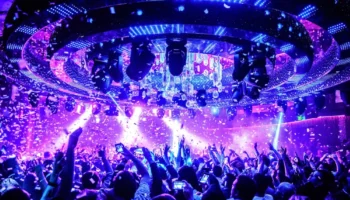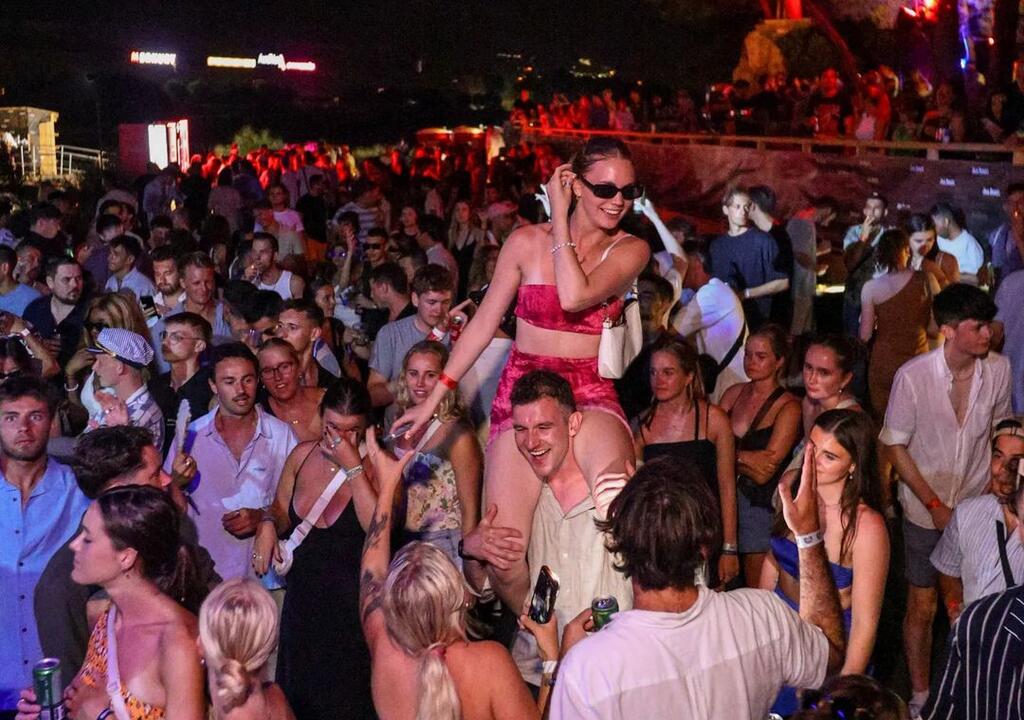
The global nightlife industry relies heavily on creating an illusion of effortless popularity. When patrons walk into a high-end nightclub and see a packed dance floor, a bustling bar, and a long line outside the door, they are witnessing the results of a carefully engineered marketing engine. At the center of this engine is the nightclub promoter.
While DJs control the music and bartenders manage the drinks, the promoter is responsible for the venue’s most vital resource: the people. Without a steady stream of patrons, even the most luxurious club with top-tier sound systems and expensive light shows will struggle to survive. Nightclub promotion is a complex profession that blends social engineering, grassroots marketing, psychology, and high-stakes hospitality.
What Is a Nightclub Promoter
A nightclub promoter is an independent contractor or a specialized marketing agent hired by nightlife venues to drive traffic to the establishment. Promoters operate as the bridge between the venue owners and the public. They use their personal networks, digital presence, and social capital to convince people to spend their evenings and money at a specific location.
Promoters are typically paid based on their performance. This compensation structure usually involves a combination of flat fees, a percentage of the bar spend, a cut of the entrance cover charges, or commissions on VIP table bookings. Because their livelihood depends directly on their ability to draw a crowd, successful promoters must be relentless, organized, and deeply embedded in their local social scenes.
The Evolution of Promotional Strategies
The nightlife promotion landscape has shifted dramatically over the past few decades. Understanding how promoters operate today requires a look at how these strategies have evolved from physical outreach to digital dominance.
The Era of Flyering and Grassroots Outreach
Before the advent of smartphones and social media, promoters relied heavily on physical presence. They would spend hours outside concerts, college campuses, shopping districts, and competing venues handing out physical flyers. These cards often promised free entry before a certain hour or a complimentary drink. Promoters also maintained extensive physical notebooks filled with phone numbers and names, spending their afternoons making cold calls to build a guest list for the weekend.
The Digital Transformation
Today, the physical flyer is virtually obsolete. Modern nightclub promoters rely on a sophisticated mix of social media platforms, direct messaging apps, and customer relationship management tools.
-
Social Media Broadcasting: Promoters use platforms like Instagram and TikTok to showcase the venue’s aesthetic. By posting high-quality videos of packed dance floors, celebrity attendees, and premium bottle service presentations, they create a sense of fear of missing out among their followers.
-
Micro-Influencer Partnerships: Promoters frequently collaborate with local micro-influencers. By offering these influencers free entry, complimentary drinks, or VIP table access, the promoter gains direct exposure to the influencer’s dedicated follower base.
-
Database Management: Elite promoters treat their contact lists like corporate assets. They segment their databases by spending habits, aesthetic preference, and frequency of attendance, allowing them to send highly targeted text or WhatsApp blasts before a major event.
Mechanics of Filling the Floor: The Guest List and VIP Tables
To consistently fill a room, a promoter must balance two completely different segments of the nightlife economy: the general admission guest list crowd and the high-spending VIP clientele.
The Psychology of the Guest List
The guest list is the primary tool used to guarantee early attendance. A club that is empty at eleven in the evening will struggle to look appealing to patrons arriving later. Promoters use the guest list to incentivize people, particularly groups of women, to arrive early by offering free or discounted entry before a specific time cutoff.
This strategy serves two purposes. First, it ensures that the dance floor has an active crowd by the time the headlining DJ starts performing. Second, a crowded entryway early in the night creates a perception of exclusivity and high demand for passersby and general admission ticket holders.
The High-Margin World of VIP Table Bookings
While the guest list provides the crowd, VIP bottle service provides the bulk of the venue’s revenue. Promoters actively seek out high-net-worth individuals, corporate clients, and big spenders who are willing to pay thousands of dollars for a reserved table and premium alcohol.
To secure these bookings, promoters must provide a concierge-level service. They act as personal liaisons, handling reservations, arranging custom bottle presentations, ensuring smooth entry past the security lines, and coordinating seating arrangements. A promoter who can consistently bring in big spenders is highly valuable to club owners and can command substantial commissions.
The Importance of Crowd Curation
A common misconception is that promoters simply try to get as many people through the door as possible. In reality, high-end venues require strict crowd curation to protect their brand identity.
Venues want an attractive, fashionable, and energetic demographic that matches their target aesthetic. Promoters must carefully filter who they invite and put on their guest lists. If a promoter consistently brings in a crowd that does not dress appropriately, acts aggressively, or refuses to buy drinks, the venue will quickly terminate the relationship. This curation requires promoters to act as gatekeepers, balancing the need for volume with the need for quality control.
Challenges in the Promotion Industry
Despite the glamorous perception of the nightlife industry, the role of a promoter is incredibly demanding and highly volatile. Promoters face a variety of challenges that require constant adaptation.
-
High Burnout Rates: Working late nights, consuming alcohol frequently, and maintaining an energetic persona can take a significant physical and mental toll over time.
-
The Fickle Nature of Nightlife Trends: Consumer preferences change rapidly. A venue that is incredibly popular this month might be entirely forgotten by next season as a newer, shinier competitor opens down the street. Promoters must constantly pivot their alliances and strategies to stay relevant.
-
Income Instability: Because compensation is performance-based, a slow weekend, a bad weather forecast, or a poorly received guest DJ can result in a sudden drop in earnings. Promoters bear the financial risk of an unsuccessful night.
Frequently Asked Questions
What is the difference between a nightclub promoter and a venue marketing manager?
A venue marketing manager is a salaried, internal employee who oversees the club’s overall branding, corporate partnerships, advertising budgets, and official social media accounts. A nightclub promoter is usually an independent contractor paid commission based on the specific number of guests, revenue, or VIP tables they personally bring into the venue on any given night.
How do nightclub promoters get paid if they offer free entry to guests?
Promoters often receive a flat fee from the venue for hitting certain attendance targets, or they earn a commission based on the bar revenue generated by the crowd they brought in. Furthermore, the free entry they provide is typically restricted to early hours, meaning they also drive traffic that will eventually purchase high-priced drinks inside the venue.
Why do promoters focus so heavily on inviting groups of women to the club?
Nightlife economics rely heavily on gender balance and social dynamics. A venue with a high ratio of fashionable, energetic women naturally attracts high-spending male clientele who are willing to purchase expensive VIP tables and bottle service. Promoters use free entry and complimentary drinks to secure this foundational demographic early in the night.
Can a promoter help a guest bypass a venue’s strict dress code?
No, a promoter cannot override the decisions of the venue’s security team or head doorman. While a promoter can facilitate smoother entry via a dedicated guest list line, the guests must still fully comply with the establishment’s dress code and code of conduct. If a guest arrives underdressed, security will deny entry regardless of who promoted them.
Do promoters work exclusively with one nightclub or multiple venues?
It varies based on their contract status. Independent promoters often work with multiple venues throughout the week, hosting a college night at one club on a Thursday and managing a luxury VIP night at a different venue on a Saturday. However, elite sub-promoters or promotion agencies may sign exclusivity agreements with major hospitality groups to work solely with their portfolio of properties.
How can an ordinary patron get on a reputable nightclub promoter’s guest list?
The most common way is through direct outreach on social media platforms like Instagram. Promoters frequently include their upcoming weekly schedules and contact methods in their bios. Patrons can message the promoter with the date of attendance, the total number of guests in their party, and the ratio of men to women to request placement on the evening’s list.