
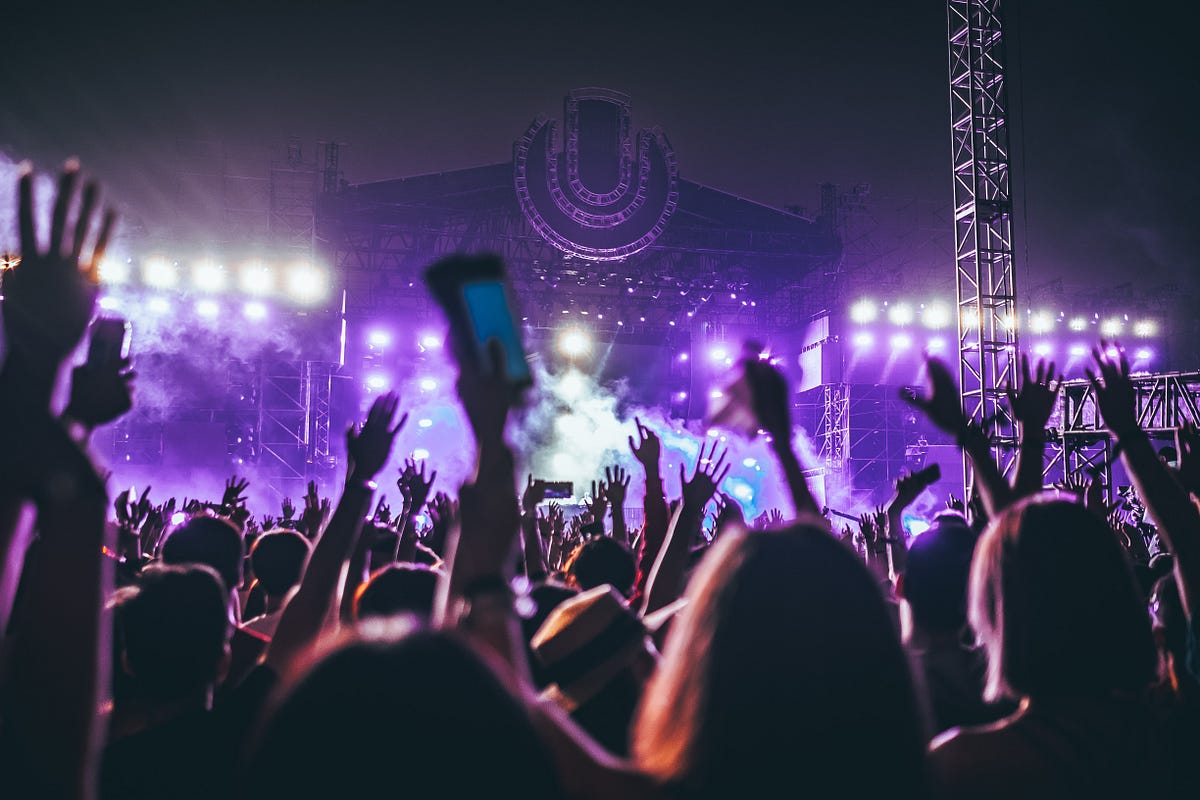
Attending a multi-day music festival is an exhilarating experience that combines world-class performances, community subcultures, and immersive art installations. Whether you are traveling to a dusty desert oasis, a muddy rural farmland, or a sprawling urban park, the sheer scale of modern music festivals makes them an endurance test.
Without proper preparation, issues like dehydration, severe blisters, unpredictable weather, and dead phone batteries can quickly ruin an expensive weekend. Surviving and thriving at a festival requires transitioning from a passive ticket holder to an active, prepared strategist. This comprehensive guide outlines the essential packing lists, structural expectations, and expert strategies to ensure your weekend is safe, comfortable, and unforgettable.
Understanding the Festival Environment: What to Expect
Before packing a single bag, it is vital to conceptualize the physical and logistical reality of a massive festival venue. Modern events frequently host anywhere from forty thousand to over one hundred thousand attendees per day, creating micro-cities with unique operational dynamics.
Extended Physical Exertion
The average festival attendee walks between eight and fifteen miles per day. You will be moving across challenging, uneven terrain, including loose sand, deep gravel, unpaved dirt, and thick grass. Much of your day will involve standing in long security lines, walking between distant stages, or dancing in tightly packed crowds.
Environmental and Weather Extremes
Outdoor festivals expose you to the elements for twelve to fourteen hours at a time. Desert festivals often present blistering daytime heat that drops to near-freezing temperatures immediately after sunset. Conversely, woodland or valley festivals can experience sudden torrential downpours that turn pristine lawns into expansive mud pits within an hour. Dust storms can also occur, filling the air with fine particulate matter that irritates the eyes, nose, and lungs.
Crowd Dynamics and Sensory Overload
Festivals are high-stimulation environments filled with booming bass frequencies, blinding strobe light displays, pyrotechnics, and massive crowds. Navigating these spaces requires patience and situational awareness. Cellular towers frequently become overloaded due to the dense concentration of smartphones, resulting in dropped calls, delayed text messages, and zero internet access.
The Essential Packing Checklist
An effective festival packing strategy separates your gear into two distinct categories: items you carry with you inside the venue daily, and items you keep at your base camp or hotel room.
The Daily Venue Pack
Most festivals enforce strict bag policies, usually requiring clear plastic bags or compact hydration packs under a specific size. Check your venue rules beforehand, but plan to pack these core essentials:
-
Hydration Solution: A high-quality hydration backpack or an empty, durable water bottle. Most major festivals provide free water-refill stations inside the grounds. Keeping water on your back eliminates the need to constantly stand in concession lines.
-
High-Fidelity Earplugs: Live concert speakers regularly exceed one hundred decibels, which can cause permanent hearing damage within minutes. Standard foam earplugs muffle the sound quality, but high-fidelity acoustic earplugs attenuate the volume evenly, preserving the crispness of the music while protecting your ears.
-
Portable Power Bank: Heavy phone use for capturing videos, navigating maps, and trying to locate friends will drain your battery by late afternoon. Bring a high-capacity portable charger to keep your device powered through the headline sets.
-
Sun Protection Toolkit: High-SPF broad-spectrum sunscreen, polarized sunglasses, and a wide-brimmed hat. Sunburns accelerate dehydration and fatigue, making them a top threat to your physical comfort.
-
Personal Hygiene Items: Pocket-sized wet wipes, a travel pack of tissues, and hand sanitizer. Festival portable toilets frequently run out of toilet paper and soap by nightfall.
-
Weather-Resistant Layers: A lightweight, packable poncho and a compact jacket or windbreaker. Even if the forecast predicts clear skies, a sudden temperature drop or unexpected shower can cause hypothermia when you are wet or exhausted.
The Campground Gear
If you are camping on-site, your campsite functions as your recovery zone. Comfort here directly dictates your energy levels for the following day.
-
Shelter and Sleep Systems: A reliable waterproof tent, a heavy-duty ground tarp to block moisture, a high-quality sleeping pad or air mattress, and a sleeping bag rated for cooler temperatures than the predicted low.
-
Comfort and Shade Infrastructure: A pop-up canopy tent to place directly over your sleeping tent or common area. Without a canopy, the morning sun will turn your tent into an unbearable greenhouse by seven in the morning, cutting your sleep short.
-
Illumination: Headlamps, hand-held flashlights, and solar-powered lantern strings to mark your tent lines and prevent tripping hazards in the pitch-black campground at night.
-
Nutritional Basics: High-protein snacks like beef jerky, nuts, protein bars, and dried fruit. Bring an insulated cooler packed with ice, water bottles, and electrolyte replacement sports drinks.
Health, Safety, and Body Maintenance
To sustain your energy over a long three-day or four-day weekend, you must manage your body like an athlete prepares for a multi-day event.
The Science of Hydration and Electrolytes
Drinking plain water is only half the battle. When you sweat continuously throughout the day, your body loses vital sodium, potassium, and magnesium. Drinking massive amounts of plain water without replacing these minerals can lead to hyponatremia, a dangerous condition that causes dizziness, headaches, and nausea. Mix electrolyte replacement powders into at least two of your water refills every day.
Footwear Architecture
Never wear brand-new, un-broken-in shoes to a music festival. Do not wear flimsy sandals, flip-flops, or high heels inside the main venue. Your best option is a supportive pair of broken-in athletic sneakers or durable hiking boots that offer ample arch support and toe protection. Wear thick, moisture-wicking wool or synthetic socks to minimize the friction that causes painful blisters.
Pacing and Scheduled Rest
You do not need to watch every single artist on the lineup. Trying to run from stage to stage from noon until midnight is a recipe for physical collapse. Study the schedule in advance, select your must-see acts, and intentionally schedule a two-hour rest window during the late afternoon to sit in the shade, rehydrate, and eat a substantial meal.
Communication and Group Logistics
Losing your friends in a sea of eighty thousand people when cell phones are not working can induce anxiety. Establish a robust communication plan before you walk through the venue gates.
The Concrete Meeting Spot
Pick a highly specific, permanent physical landmark inside the venue to serve as your group’s designated emergency meeting location. Avoid choosing generic markers like a main beer tent, a soundboard tower, or a specific food truck, as these can look identical or move. Instead, choose a distinct art installation, a specific ferris wheel pillar, or a numbered medical tent. Establish set times to meet at this location if your group becomes separated, such as twenty minutes after the hour.
Timestamping Text Messages
Because cellular network congestion delays text messages, a text sent at eight in the evening might not arrive on your friend’s phone until nine-thirty. Always include a manual time stamp within the text body of your messages. Writing out a message like “Meet at the main water station, it is currently 8:15 PM” allows the recipient to immediately recognize if the information is current or outdated when it finally delivers.
Frequently Asked Questions
Are camelbacks and hydration packs allowed through festival security check lines?
Most major music festivals allow hydration packs, but they must adhere to specific rules. Usually, the water bladder must be completely empty upon arrival, and security staff will inspect it before allowing you entry. Many venues also require the pack to have a limited number of pockets to speed up the physical search process.
What is the best way to secure my phone and wallet against pickpockets?
Festivals are prime targets for professional phone theft rings operating in dense crowds. Never keep your phone or wallet in your back pocket or loose jacket pockets. Use a fanny pack worn across your chest, a running belt tucked under your shirt, or internal zippered pockets. Alternatively, attach a heavy-duty phone lanyard to your hydration pack.
How do I find my tent in a massive campground when returning in the dark?
Festival campgrounds look completely different at night than they do during the day. Mark your campsite by flying a unique, easily identifiable flag on a collapsible flagpole. You can also attach battery-powered LED fairy lights or glow sticks to your canopy lines to help your tent stand out among the thousands of identical setups.
What should I do if I or someone next to me experiences a medical emergency?
Locate the nearest medical tent or find a roaming safety team member immediately. Festival medical staff are there to provide care without judgment, and their primary goal is your health and safety. If you are deep inside a dense crowd and cannot move, look for security personnel stationed at the front barricades and signal them clearly.
Can I bring my own food and alcoholic beverages inside the festival grounds?
Almost all commercial music festivals prohibit outside food and drinks within the main venue gates, forcing patrons to rely on vendors. However, if the event features an on-site campground, you are typically allowed to bring outside food, coolers, and a limited amount of alcohol into the camping zones, provided no glass containers are used.
How do festivals handle currency transactions for food, drinks, and merchandise?
The vast majority of modern music festivals operate on a completely cashless system. Venues accept credit cards, mobile payment applications, or utilize RFID wristbands linked directly to your bank account. It is still wise to carry a small amount of physical cash in case the electronic point-of-sale systems temporarily fail due to network outages.


