close

Aaron Osborne

Entertainment

Justone Du Plessis’s rise on social media

In the fast-paced world of social media, where viral moments can launch careers overnight, a new name is quickly gaining traction: Justone. With a magnetic presence on Instagram and TikTok, this creator is building an impressive following and catching the attention of both fans and fellow influencers alike.

Justone’s content blends high-energy dance clips, flexible dance skills, and acrobatic tricks in high heels that resonates with viewers. On Instagram, several recent Reels have exploded, racking up views as high as 70,000. These numbers reflect a growing audience that’s clearly hooked on the relatable style Justone brings to each post. The engagement isn’t just in the numbers—comments sections are filled with praise, shares, and requests for more.

Over on TikTok, the momentum is even stronger. Multiple videos have crossed the 100,000-view mark, a solid indicator of consistent appeal. But the real breakout came with one standout piece that soared to 1.8 million views. That kind of reach doesn’t happen by accident; it points to content that’s striking a chord. Fans are responding in a wave of positive feedback, signaling that people are genuinely loving what’s coming next.

What adds extra credibility to this rise is the caliber of followers Justone has attracted. Names like Tasche Burger—the South African singer who won The Voice SA—along with drag superstar Violet Chachki, dancer and World of Dance alum Jaxon Willard, Italian choreographer and model Giuseppe Giofrè, and dancer-model Zara Silver have all hit follow. When established artists and performers from these circles start paying attention, it’s a clear sign that Justone is moving in the right direction.

It’s incredible to see how quickly this momentum has built. Justone isn’t just posting for the sake of it; there’s an evident strategy and authenticity that keeps viewers coming back. The community response has been overwhelmingly positive, with many noting the fresh energy and skill on display. As these platforms reward consistency and connection, Justone appears well-positioned to keep climbing.

This isn’t overnight fame—it’s the result of smart content creation and genuine appeal. With views climbing, notable supporters in the mix, and an audience that’s clearly invested, Justone is on a trajectory toward broader recognition. Entertainment observers will be watching closely as this rising talent continues to build what could become a major presence in the digital space. Stay tuned; the best may still be ahead.

read more
Entertainment

Understanding Male Companion Services in Singapore: What to Expect and How to Choose

Social lifestyles in Singapore continue to evolve as people look for meaningful interaction that fits into busy schedules. Alongside traditional nightlife options, personalised companionship services have gained attention for offering calm, respectful, and structured social experiences. For those exploring this space, a male companion singapore service provides an alternative focused on conversation, presence, and companionship rather than crowded or unpredictable environments.

This article explains what male companion services in Singapore involve, why people choose them, and how to approach the experience with clarity and confidence. The goal is to provide practical understanding based on real life expectations rather than assumptions.

What Male Companion Services Mean in Singapore

Male companion services in Singapore are centred on social companionship. The emphasis is on spending quality time together in a comfortable and respectful manner. These services are not about explicit activity but about human connection through conversation, shared experiences, and attentive presence.

Common reasons people seek male companions include:

  • Enjoying relaxed conversation without social pressure

  • Having a companion for events or dinners

  • Spending time with someone attentive and polite

  • Experiencing structured social interaction

Understanding this purpose helps align expectations from the start.

Why People Choose Male Companionship

Modern life often leaves little room for spontaneous social interaction. Many individuals value companionship that fits neatly into their schedule and comfort level.

People choose male companion services because they offer:

  • Flexibility in timing

  • Clear boundaries and expectations

  • Personalised interaction

  • A calm alternative to nightlife

This makes them suitable for both locals and visitors seeking relaxed social engagement.

The Importance of Clear Communication

Communication is essential in any companion experience. Reputable services encourage guests to be open about preferences, timing, and comfort levels.

Clear communication helps:

  • Avoid misunderstandings

  • Build mutual comfort

  • Create a positive experience

Guests who express expectations politely tend to enjoy smoother interactions.

Professionalism and Behaviour Standards

Professionalism is a defining feature of quality male companion services in Singapore. Companions are expected to maintain respectful conduct at all times.

Professional standards typically include:

  • Polite and attentive communication

  • Respect for personal boundaries

  • Punctuality and reliability

  • Discretion throughout the engagement

This professionalism ensures a safe and comfortable experience.

Choosing the Right Companion Service

Not all services operate at the same standard. Choosing carefully makes a significant difference.

When selecting a service, consider:

  • Clarity in service descriptions

  • Transparent communication

  • Professional presentation

  • Respectful tone in interactions

Avoid services that feel vague or rushed, as clarity is key to comfort.

Understanding Boundaries and Comfort Levels

Boundaries are not restrictions. They are guidelines that protect everyone involved. Male companion services in Singapore emphasise boundaries to ensure respectful engagement.

Boundaries help:

  • Maintain professionalism

  • Build trust

  • Reduce awkward situations

Guests should feel comfortable expressing boundaries at any point.

Privacy and Discretion Matter

Discretion is highly valued in Singapore’s social culture. Reliable male companion services prioritise privacy and confidentiality.

Discretion usually includes:

  • Confidential handling of guest information

  • Respectful communication

  • Non intrusive service

This allows guests to relax without concern about exposure or judgement.

Dress and Presentation Expectations

Presentation plays a role in setting the tone of any social interaction. Male companions are typically well groomed and presentable, and guests are encouraged to do the same.

Smart casual attire is usually appropriate and helps create a comfortable environment.

Timing and Flexibility

One advantage of male companion services is flexibility. Guests can often choose timings that suit their schedule and preferences.

Different timings may suit different needs:

  • Daytime for casual outings or conversation

  • Evenings for dinners or social events

  • Weekdays for quieter experiences

  • Weekends for more social energy

Choosing the right timing enhances satisfaction.

Emotional Comfort and Social Ease

A good male companion understands social cues and adapts accordingly. Emotional comfort is as important as physical presence.

This includes:

  • Listening attentively

  • Maintaining a relaxed pace

  • Respecting silence when needed

These qualities help create a natural and enjoyable experience.

First Time Experiences and Expectations

First time guests often feel unsure. This is normal. Understanding how the process works helps ease nervousness.

Helpful tips for first timers include:

  • Asking questions beforehand

  • Being clear about preferences

  • Approaching the experience with an open mindset

Professional companions are accustomed to first time guests and aim to make them feel comfortable.

Cultural Sensitivity in Singapore

Singapore’s multicultural environment values respect and courtesy. Male companion services reflect these values through polite interaction and awareness.

Simple actions such as being patient and courteous contribute to a positive experience.

Value Beyond Cost

Value is not only about pricing. It is about how comfortable and satisfied you feel during the experience.

True value comes from:

  • Feeling respected

  • Enjoying meaningful interaction

  • Having clear expectations

Guests who focus on value rather than cost tend to leave more satisfied.

Why Professionals Choose Male Companions

Many professionals prefer male companion services because they offer:

  • Structured social time

  • Predictable experiences

  • No long term obligations

This suits individuals with busy schedules who still value companionship.

Managing Expectations for Repeat Visits

Repeat visits often feel more relaxed as familiarity grows. Guests understand the process better and communicate preferences more confidently.

This familiarity often leads to:

  • More comfortable interaction

  • Better alignment of expectations

  • Increased enjoyment

Building Mutual Respect

Respect is the foundation of any positive companion experience. Mutual respect improves comfort and trust.

Respect is shown through:

  • Clear communication

  • Polite behaviour

  • Understanding boundaries

When respect is present, the experience feels natural and enjoyable.

Real Life Situations Where Male Companions Fit In

Male companion services naturally suit situations such as:

  • Attending events or dinners

  • Enjoying one on one conversation

  • Relaxing after demanding schedules

Knowing why you are seeking companionship helps guide the experience positively.

FAQs

Q: Is using a male companion service in Singapore socially acceptable?
A: Yes. When approached respectfully and professionally, male companion services are seen as a structured form of social companionship.

Q: Can I set boundaries during the engagement?
A: Yes. Clear boundaries are encouraged and respected by professional companions.

Q: Is discretion maintained throughout the experience?
A: Reputable services prioritise confidentiality and discretion at all times.

Q: Do I need prior experience to use a male companion service?
A: No. First time guests are common, and companions are trained to guide interactions comfortably.

Q: Can male companions adapt to different personalities?
A: Yes. Professional companions are skilled at adjusting communication styles based on guest preferences.

Q: Is it possible to feel comfortable quickly during the first meeting?
A: Yes. Clear communication, mutual respect, and a calm environment often help guests feel at ease early on.

Male companion services in Singapore offer a structured and respectful approach to social companionship that fits naturally into modern lifestyles. When chosen carefully and approached with clear expectations, the experience can feel comfortable, genuine, and rewarding without pressure or uncertainty.

read more
Entertainment

Soothing Soundwaves: CoComelon’s Innovative Journey into Podcast Wellness

CoComelon is transforming bedtime narratives with its groundbreaking podcast partnership, introducing a novel approach to children’s entertainment that extends far beyond traditional video content. The brand’s collaboration with Headspace Studios presents “Wiggle to Wind Down,” a meticulously crafted audio experience designed to revolutionize family nighttime routines.

Set to premiere on October 23, 2025, this ten-episode series represents a strategic expansion of CoComelon’s mission to support families through innovative, screen-free content. The podcast addresses a critical market need by offering parents an alternative to visual media, focusing on audio storytelling that promotes relaxation and healthy sleep.

At the heart of this innovative project is Dr. Jon Kole, Headspace’s medical director and a renowned child psychiatrist. His extensive research on childhood sleep patterns has been instrumental in shaping the podcast’s unique methodology. Dr. Kole’s approach emphasizes gradual bedtime transitions, recommending incremental 10-15 minute shifts to help children’s circadian rhythms adapt naturally.

The podcast’s structure is a testament to scientific precision and creative storytelling. Each 20-minute episode is carefully designed to guide children through a gentle wind-down process. Hosted by Headspace meditation teacher Dora Kamau and Violet Winter Cilen (the beloved voice of JJ from CoComelon), the series begins with playful “wiggles,” followed by stretches and deep breathing exercises that help children release energy and prepare for rest.

Imaginative storytelling takes center stage with episodes like “Scooter the Turtle and the Ocean Toy Museum” and “How Baby Dinosaur Made the Perfect Lullaby.” These narratives feature animal characters navigating relatable experiences, using gentle pacing and soothing imagery to captivate young listeners while promoting a sense of calm.

Environmental considerations are paramount in the podcast’s design. Dr. Kole highlights the critical role of light exposure in regulating melatonin production, the hormone that signals sleep readiness. The audio content is strategically crafted to support the body’s natural preparation for rest, particularly during dimmed-light periods.

CoComelon has simultaneously expanded its product line to complement the podcast’s mission. Retailers like Walmart now offer CoComelon-branded bedding collections, including toddler sheet sets and comforters. Amazon offers CoComelon footie pajamas, extending the brand’s reach into sleepwear.

The October launch is strategically timed to address the challenges of fall and winter bedtime routines. Weekly episode releases through December provide families with consistent, fresh content during a season often marked by disrupted schedules and increased stress.

This initiative builds upon CoComelon’s “CoComelon Can Help” campaign, which targets primary parental challenges. The brand’s previous bedtime content, including the “Yes Yes Bedtime Song,” has already garnered over 1.7 billion YouTube views, demonstrating significant family engagement.

Available across major podcast platforms, the Headspace app, and YouTube, “Wiggle to Wind Down” offers families unprecedented flexibility in incorporating mindful sleep practices. The collaboration between CoComelon and Headspace represents more than just entertainment—it’s a thoughtful approach to supporting children’s developmental and emotional well-being.

As conversations about screen time and child development continue to evolve, CoComelon proves itself a forward-thinking brand committed to innovative, scientifically-informed solutions that genuinely support modern families.

read more
Entertainment

Top Reasons Families Love WOW: The Vegas Spectacular Show at the Rio

Las Vegas is a city renowned for its extravagant entertainment options, and among its myriad offerings, “WOW: The Vegas Spectacular Show at the Rio” stands out as a must-see experience for families visiting the vibrant city. This visually stunning production, with its dazzling array of performances, breathtaking acrobatics, and mesmerizing visual effects, has captured the hearts of audiences of all ages. Families appreciate the show’s unique blend of artistry and entertainment, making it an ideal choice for creating unforgettable memories together. “WOW” not only showcases world-class talent but also promotes an inclusive atmosphere, ensuring that every family member, from young children to grandparents, can enjoy the spectacle. The show’s engaging storyline, immersive set design, and captivating performances foster a sense of wonder, inviting viewers to escape into a world of imagination. As families seek out experiences that entertain, inspire, and unite, “WOW” emerges as a standout option that delivers on all fronts. In this article, we will explore the top reasons why families are flocking to the Rio to experience this unforgettable show, highlighting its appeal and the joyful moments it creates for audiences from around the world.

– Unforgettable Family Entertainment for Everyone

The vibrant spectacle of WOW at the Rio offers a mesmerizing blend of acrobatics, dance, and captivating visual effects, ensuring that audiences of all ages are engaged and entertained. Families can experience a one-of-a-kind performance that transcends traditional boundaries of entertainment, making it an ideal choice for creating lasting memories. With its impressive choreography and stunning stage design, WOW delivers an immersive experience that captivates both children and adults, sparking joy and wonder in every moment.

Acquiring WOW Vegas tickets opens the door to an evening filled with laughter, excitement, and awe-inspiring talent. This show not only showcases the extraordinary skills of its performers but also emphasizes themes of unity and togetherness, resonating with the heart of family values. Whether it’s a special occasion or a spontaneous outing, attending WOW ensures that families walk away with cherished experiences and stories to share, solidifying its reputation as an unforgettable entertainment option in Las Vegas.

Experience a spectacular show that captivates both kids and adults alike.

The enchanting atmosphere of WOW creates a unique environment where families can bond over shared experiences, making it a perfect outing for parents and children alike. The show’s dynamic storytelling, enhanced by striking visuals and innovative technology, invites audiences to lose themselves in a whimsical world filled with wonder. Each performance is carefully crafted to engage viewers of all ages, ensuring that every member of the family leaves with a sense of joy and inspiration.

Moreover, the sheer diversity of the acts showcased in WOW allows for a delightful range of emotions, from laughter to awe, keeping everyone on the edge of their seats. The performers’ extraordinary talents shine through in each breathtaking moment, making it an unforgettable experience that families will cherish for years to come. With WOW Vegas tickets in hand, patrons are guaranteed not just a show, but a vibrant celebration of creativity and artistry that resonates across generations.

– Affordable WOW Vegas Tickets Available

Securing WOW Vegas tickets at an affordable price opens up the opportunity for families to experience this thrilling production without straining their budget. The accessibility of these tickets enables more families to indulge in a night of entertainment, fostering connections and creating memories that last a lifetime. By offering various pricing options and promotional deals, the show ensures that everyone can partake in this spectacular event, regardless of financial constraints.

When it comes to unforgettable Vegas moments, few shows deliver value, excitement, and flexibility like WOW Vegas tickets. Families love that you can book seats for the same day, even during peak seasons. The show’s 4.5-star TripAdvisor rating speaks for itself—audiences are consistently blown away by its mix of acrobatics, comedy, and jaw-dropping water performances. Plus, with free parking at the Rio and affordable prices starting at just $67, WOW makes for an easy and budget-friendly family outing. Whether you want an early evening show or a late-night thrill, WOW’s flexible schedule and family-oriented vibe make it a must-see production on your Vegas itinerary.

Attending WOW is not merely about watching a performance; it’s about immersing oneself in a captivating experience that sparks imagination and wonder. With affordable WOW Vegas tickets, families can enjoy a high-quality production that combines stunning visuals, impressive choreography, and engaging storytelling. This commitment to affordability reflects the show’s dedication to inclusivity, allowing more families to partake in the magic of Las Vegas entertainment.

Enjoy a budget-friendly family outing with great deals on tickets for WOW.

Families can take advantage of the budget-friendly options available for WOW Vegas tickets, ensuring a fun-filled evening without financial worry. With regular promotions and discounts, parents can plan an outing that entertains and engages their children, all while staying within their budget. The vibrant atmosphere of the show, combined with its compelling narrative and visually striking performances, makes it a fantastic choice for family entertainment.

Moreover, the experience is designed to appeal to audience members of all ages, making it easy for families to bond over the excitement and creativity showcased on stage. By choosing WOW for a family outing, parents can give their children the chance to witness a unique blend of artistry and circus-inspired acts, creating lasting memories that highlight the joy of shared experiences. The affordability of WOW Vegas tickets allows for this enriching journey, making it an ideal option for families looking to explore the enchanting world of live entertainment in Las Vegas.

– Stunning Visuals and Talented Performers

The production captivates audiences with stunning visuals that transport viewers into a world of wonder and imagination. Each performance is meticulously crafted, featuring vibrant costumes, elaborate set designs, and breathtaking special effects that dazzle the senses. The creative use of lighting and multimedia elements adds depth to the show, enhancing the overall experience and immersing families in an enchanting spectacle that appeals to both young and old alike.

In addition to the visual splendor, the talented performers bring their extraordinary skills to the stage, showcasing a diverse range of talents that include acrobatics, dance, and musical prowess. Their dedication and artistry create an engaging atmosphere that resonates with the audience, leaving them in awe of the spectacle unfolding before them. Families are invited to witness not just a performance, but a celebration of talent and creativity that generates excitement and inspires the imagination, making WOW Vegas tickets a highly sought-after choice for memorable family entertainment.

Be amazed by breathtaking acts and performances that leave lasting impressions on families.

The striking combination of exhilarating acts and captivating performances creates an unforgettable experience for families attending the show. Each act is designed to evoke a sense of wonder, drawing in viewers through a seamless blend of artistry and athleticism. From gravity-defying acrobatics to heartwarming dance numbers, the variety ensures that every family member finds something to delight in. The performers not only exhibit their remarkable skills but also engage the audience in a way that fosters a shared sense of joy and connection, making the experience truly memorable.

Families looking for an extraordinary outing will find that the lasting impressions left by each performance extend beyond the theater. The shared moments of awe and laughter facilitate bonding, creating treasured memories that families will cherish for years to come. For those considering this remarkable experience, securing WOW Vegas tickets provides an opportunity to witness a show that is more than entertainment; it is a celebration of creativity, energy, and familial togetherness.

In conclusion, WOW: The Vegas Spectacular at the Rio has firmly established itself as a must-see destination for families visiting Las Vegas. With its captivating blend of stunning visuals, engaging storytelling, and a diverse array of performances, the show caters to audiences of all ages. Families appreciate the interactive elements and the opportunity to experience a unique blend of entertainment that fosters togetherness and creates lasting memories. Additionally, the show’s commitment to high-quality production and family-friendly themes ensures that it remains a standout attraction in the bustling Las Vegas landscape. For an unforgettable family experience that combines excitement, creativity, and joy, WOW is undoubtedly a show that should not be missed.

read more
Nightclub

The Nightclub: A Stage for Liberation, Culture, and Rhythm

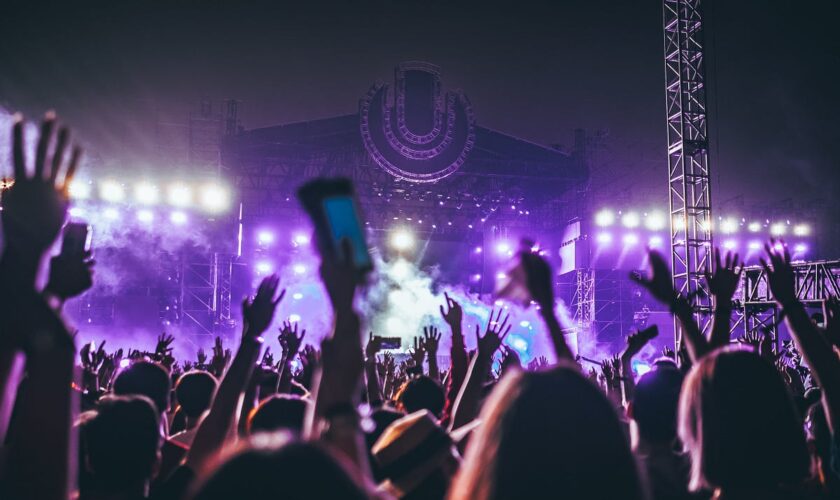
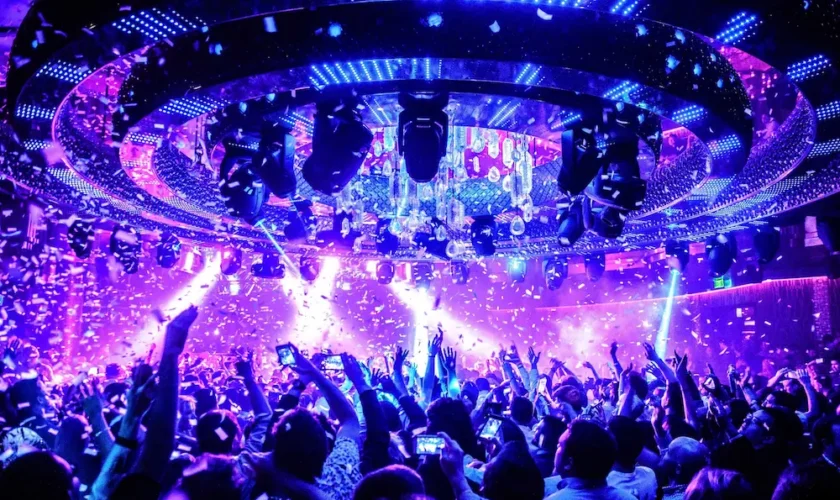
The nightclub has long held a unique place in the cultural and social fabric of urban life. It is not merely a space for dancing or music but an environment rich with energy, anonymity, and transformation. Whether dimly lit and exclusive or grand and extravagant, a nightclub is a curated escape—part performance, part ritual, and wholly a reflection of the zeitgeist.

To walk into a nightclub is to step into a world suspended between illusion and intimacy. It is a place where identity becomes fluid, time seems to bend, and inhibition is replaced by motion. At its best, a nightclub is more than just a venue—it is an experience, a convergence of sound, light, movement, and mood that engages the senses and disorients the mundane.

Historically, the origins of nightclubs trace back to cabarets and speakeasies of the early 20th century. During Prohibition in the United States, clandestine bars became sanctuaries for jazz, subversion, and social mingling across racial and class lines. The mystique of these spaces—hidden doors, whispered passwords, and smoky interiors—lent nightclubs their air of exclusivity and rebellion. Over time, they evolved, shaped by cultural trends and technological innovation. The emergence of disco in the 1970s redefined the nightclub as a cathedral of rhythm, pulsing with hedonism and glitter. In the decades that followed, genres like house, techno, hip-hop, and EDM each claimed their place on the dance floor, transforming the nightclub into a dynamic canvas of musical expression.

At the heart of the nightclub is, of course, the music. The DJ serves as both curator and conductor, weaving together tracks that manipulate mood and pace with precision. A skilled DJ doesn’t simply play music—they craft a journey. Whether transitioning seamlessly between genres or building tension through layered beats, the DJ shapes the night’s emotional arc. Sound systems, often custom-built for depth and clarity, amplify the sensory immersion, vibrating through the body in a way that feels more primal than performative.

Equally integral is the dance floor, that communal space where strangers become silhouettes in synchrony. Dance, in the nightclub context, is less about technical skill and more about liberation. It is the physical release of the week’s pressures, the unfiltered expression of joy, seduction, or even solitude. Here, the boundaries of age, profession, and background dissolve. For a few hours, people exist not as individuals with obligations but as participants in a shared, unspoken rhythm.

But nightclubs are more than just temples of sound and movement—they are social laboratories. They reflect and influence fashion, language, and attitudes. In major cities across the globe, certain clubs have become cultural landmarks, known not just for their music but for their influence on trends and tastes. Think of Studio 54 in New York, a glittering haven of celebrity and decadence. Or Berlin’s Berghain, revered for its minimalist design and egalitarian ethos. These institutions have shaped not only nightlife but broader cultural narratives about identity and freedom.

Nightclubs have also served as vital spaces for marginalized communities. For LGBTQ+ individuals, clubs have historically offered a rare sense of safety and visibility, especially during times when such expression was socially or legally restricted. The dance floor becomes a place of affirmation—a momentary utopia where one can move, dress, and be without judgment. Similarly, in many urban centers, Black and Latinx communities have used nightclubs as creative incubators, birthing entire musical movements and aesthetic languages that continue to shape global pop culture.

However, the nightclub is not without its complexities. It exists at the intersection of commerce and counterculture, art and excess. The allure of glamour can at times give way to superficiality or exclusivity. The emphasis on appearance, the economics of bottle service, and the often selective nature of entry policies can foster environments that feel more transactional than communal. Moreover, issues of substance abuse, overcrowding, and safety are real concerns that continue to challenge the industry.

Yet, despite these tensions, the nightclub persists because its core promise remains profoundly human: connection. In an increasingly digitized and fragmented world, nightclubs offer the immediacy of presence. The hum of conversation over cocktails, the collective exhale when a favorite song drops, the brief eye contact that sparks across a crowded room—these moments of ephemeral intimacy are what draw people back, night after night.

In recent years, the pandemic forced a reckoning within the nightlife industry. Clubs shuttered, dance floors fell silent, and the absence of nightlife underscored its emotional and cultural significance. The silence was not just about lost entertainment, but about the temporary disappearance of a key outlet for expression and release. As clubs slowly reopened, many returned with renewed purpose and innovation—integrating wellness events, art installations, or hybrid virtual elements to reflect shifting sensibilities and a broader vision of what nightlife can be.

The future of the nightclub is, as ever, fluid. Sustainability, inclusivity, and technology are shaping the new generation of venues. Pop-up parties in abandoned buildings, open-air festivals, and immersive audio-visual experiences are challenging the traditional nightclub model. Yet the essence remains unchanged: a desire to gather, to move, to feel alive through rhythm and presence.

Ultimately, a nightclub is not defined by its walls, its lighting, or even its sound system. It is defined by its people. It thrives on anticipation, improvisation, and emotion. It is a ritual that, for all its shifting trends and iterations, continues to tap into something ancient—the need to gather around rhythm, to celebrate the night, and to lose oneself, if only for a while, in the pulse of collective energy.

read more
Music

The Universal Language of Music: A Symphony of Emotion, Culture, and Connection

Music is one of humanity’s most profound and enduring creations—a universal language that resonates across time, culture, and geography. It transcends the spoken word, forging connections that lie beyond linguistic boundaries. Whether echoing through the halls of a grand concert venue or drifting from a solitary guitar on a street corner, music possesses the remarkable ability to stir the soul, evoke memory, and elicit emotion with a subtlety and depth unmatched by any other art form.

At its core, music is a structured expression of sound. Yet its impact is far from mechanical. A series of notes, when arranged with intention, can express sorrow more eloquently than a speech or capture joy more vividly than any painting. This expressive power stems not merely from melody or rhythm, but from music’s capacity to mirror the human condition. In a single composition, one might hear the heartbeat of a people, the sighs of longing, the pulse of rebellion, or the serenity of peace.

From the earliest known flutes carved from animal bone to today’s complex digital production suites, the history of music is also the history of human development. Archaeological evidence suggests that music predates even written language. In early societies, it was inseparable from ritual, celebration, mourning, and storytelling. It served as a communal bond, a tool for preserving oral traditions, and a medium for invoking the divine.

As civilizations expanded, so did the complexity and diversity of musical expression. In ancient Greece, philosophers such as Pythagoras studied the mathematical principles of harmony and scale, linking music to the cosmic order. In China, music was considered a moral force, essential to maintaining societal harmony. The Indian subcontinent developed one of the most intricate musical systems in the world, with ragas and talas that guide not only melodic structure but emotional and spiritual intent.

The Western classical tradition, with its roots in the liturgical chants of medieval Europe, gradually evolved into a rich tapestry of styles and forms. The Renaissance brought polyphony and experimentation. The Baroque period saw the rise of ornate compositions and technical virtuosity. The Classical and Romantic eras followed, each marked by innovation and emotional intensity. Composers like Mozart, Beethoven, and Chopin not only defined their times but laid the foundations for future generations of musicians.

Yet, while classical music has enjoyed a privileged position in the cultural canon, popular and folk traditions have always thrived in parallel. The blues, born from the spirituals and work songs of African American communities, gave rise to jazz, which in turn influenced rock, soul, and hip-hop. Each genre, in its own way, has captured the zeitgeist of its era. These forms may differ in instrumentation and style, but they share a common thread: the desire to communicate, to connect, to make sense of experience through sound.

Today, music is more accessible and diverse than ever. Digital platforms have collapsed the barriers that once separated genres and geographies. A teenager in Tokyo can discover Afrobeat, while a producer in São Paulo can collaborate with an artist in Oslo. This global interchange has led to fascinating hybrid styles—electronic flamenco, jazz-infused hip-hop, classical trap—demonstrating music’s boundless capacity for reinvention.

But with this democratization comes new challenges. The algorithms that now curate our listening habits risk narrowing our exposure, feeding us more of what we already like instead of encouraging us to explore the unfamiliar. The commodification of music, driven by streaming metrics and social media virality, has also prompted questions about artistic integrity and the value of slow, deliberate craftsmanship in an age of instant gratification.

Nevertheless, music’s essence remains intact. It still plays a vital role in our lives—from the lullabies that soothe infants to the anthems that ignite movements for change. It accompanies our most intimate moments and our most public celebrations. It comforts us in solitude and unites us in concert halls and festivals. It is at once deeply personal and intrinsically social.

Music also holds immense therapeutic potential. Music therapy has been shown to reduce anxiety, improve mood, and even aid in neurological rehabilitation. Patients with Alzheimer’s disease often respond to familiar songs long after other memories have faded. Rhythmic entrainment can help stroke victims regain motor coordination. In these contexts, music is not just art; it is medicine.

Furthermore, music education has a lasting impact on cognitive development, emotional intelligence, and cultural awareness. Learning an instrument fosters discipline, patience, and creativity. Participating in ensembles cultivates teamwork and empathy. Exposure to diverse musical traditions broadens one’s perspective, fostering respect for cultures other than one’s own. In an increasingly divided world, such intercultural appreciation is more important than ever.

Ultimately, music is a mirror and a bridge. It reflects who we are, individually and collectively, while offering pathways to understanding and connection. It teaches us to listen—not just to notes and lyrics, but to each other. In the hands of the composer, the performer, and the listener alike, music becomes a shared experience, a form of communication that bypasses logic and speaks directly to the heart.

As long as there are people with stories to tell, emotions to express, and rhythms to feel, music will continue to thrive. It is not merely an accompaniment to life—it is life itself, unfolding in melody and harmony, in silence and sound. And in its embrace, we find both solace and celebration, memory and possibility.

read more
Party Fun

Party Fun: The Art of Joyful Gathering and Unforgettable Moments

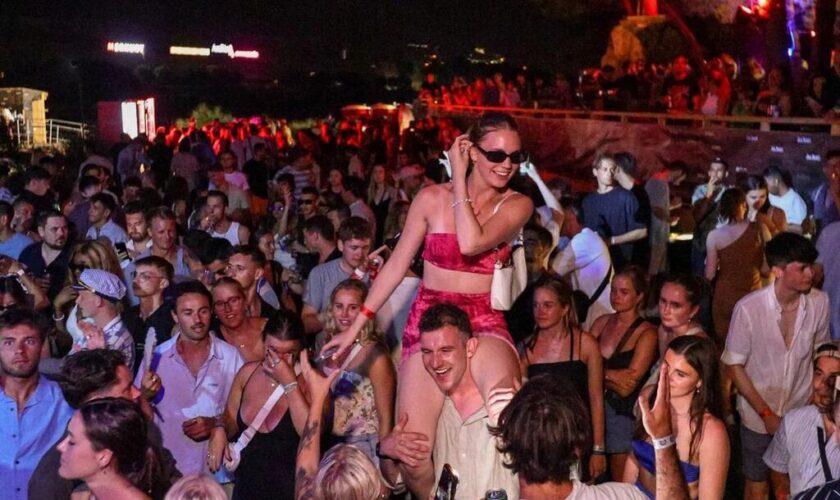
Parties, in their many forms, have long served as a cornerstone of social life—a celebration of life’s milestones, a break from routine, a way to connect with others in the spirit of shared enjoyment. The concept of “party fun” may seem straightforward on the surface—laughter, music, food, dancing—but beneath the glitter and chatter lies something more nuanced: a deeply human impulse to gather, to celebrate, and to find meaning in merriment.

A party is more than an event; it’s a curated atmosphere. The ingredients that make a party truly fun go beyond decorations or playlists. At the heart of any successful celebration is a feeling—a spark of energy that lifts people out of their everyday personas and invites them into a space of openness, spontaneity, and delight. It’s the subtle art of creating an environment where people feel relaxed, welcome, and engaged.

First and foremost, the essence of party fun lies in human connection. No matter how extravagant the setting or how elaborate the entertainment, the most memorable parties are those where guests feel seen, heard, and included. There’s a kind of magic that happens when a room fills with laughter, when conversations flow easily, and when the barriers between strangers begin to dissolve. It’s this emotional alchemy that transforms an ordinary gathering into an unforgettable one.

The nature of fun, of course, varies widely depending on the context and the crowd. A child’s birthday party, for example, brims with a different kind of joy—innocent, energetic, and filled with imagination. Face painting, balloon animals, games like pin the tail on the donkey—these simple pleasures evoke a kind of pure happiness that reminds adults of the joys of uninhibited play. For teenagers and young adults, fun might take the shape of dancing into the early hours, singing loudly to favorite songs, or playing social games that spark competition and laughter.

Adults, too, seek out party fun in ways both playful and sophisticated. From elegant cocktail evenings with ambient jazz to themed costume parties that encourage creativity and abandon, the adult party scene is wonderfully diverse. Game nights, rooftop gatherings, pool parties, and even murder mystery dinners all tap into the same essential desire: to step outside the roles we play in daily life and revel in the freedom of the moment.

Music plays a central role in creating that sense of escape. The right soundtrack doesn’t just set the mood—it guides it. A slow, melodic tune might initiate quiet mingling, while a pulsing dance track can electrify the atmosphere. Music is a unifier; it gets feet tapping, heads nodding, and often brings people together on the dance floor regardless of age, background, or familiarity. A well-crafted playlist or a skilled DJ can read the room and respond to its energy in real time, ensuring that the fun never misses a beat.

Equally important is the art of inclusion. A party becomes truly enjoyable when it offers something for everyone. Thoughtful hosts consider not only their guests’ tastes and preferences, but also their personalities. Some people thrive in the center of attention, while others prefer quieter corners for conversation. A successful party provides opportunities for both—to dance and to talk, to engage and to observe. It’s this kind of sensitivity that creates an atmosphere where everyone feels comfortable being themselves.

Food and drink, naturally, also contribute to the pleasure of the party. Whether it’s an elegant spread of hors d’oeuvres and crafted cocktails or a casual buffet of comfort food and chilled beers, the act of sharing a meal—however simple—brings people together. It creates moments of pause, of conversation, of collective enjoyment. More than sustenance, food at a party often becomes a point of connection, a way to express care, culture, and generosity.

In recent years, the concept of party fun has expanded to include interactive and experiential elements. Photo booths, DIY cocktail stations, themed props, and curated games all encourage guest participation and make the event feel more immersive. Experiences like karaoke, trivia challenges, or even short performances add layers of enjoyment and often become the moments people remember most. These details, while seemingly small, signal thoughtfulness and an understanding that the best fun is often shared, not just consumed.

Of course, fun cannot be manufactured. It thrives in authenticity. Forced laughter, over-planning, or rigid expectations can stifle the very spontaneity that makes parties delightful. The most joyful events often have an element of unpredictability—unexpected guests, impromptu dance-offs, stories told late into the night. In this sense, part of party fun lies in relinquishing control and allowing the evening to unfold organically.

Moreover, while it’s tempting to associate fun solely with extroversion or exuberance, some of the most meaningful party moments are quieter and more introspective. A heartfelt toast, a deep one-on-one conversation under fairy lights, or a shared look of understanding across a crowded room—these too are part of the mosaic of joy. True party fun accommodates all shades of human experience, from the riotous to the reflective.

In the end, what elevates a party from pleasant to memorable is the feeling it leaves behind. It’s not just about the decorations or the playlists, but the way the night lingers—the inside jokes, the new friendships, the sense that for a few hours, everyone belonged. A great party doesn’t need to be grand or extravagant. It needs to be genuine.

At its best, party fun is a celebration not only of the occasion but of life itself. It’s a reminder that even amid obligations and routines, there is room for laughter, play, and joy. And in a world that often feels rushed or fragmented, the simple act of gathering with others to dance, talk, eat, and enjoy is nothing short of beautiful.

read more
Magic Show

The Enduring Allure of the Magic Show: Where Wonder Meets Deception

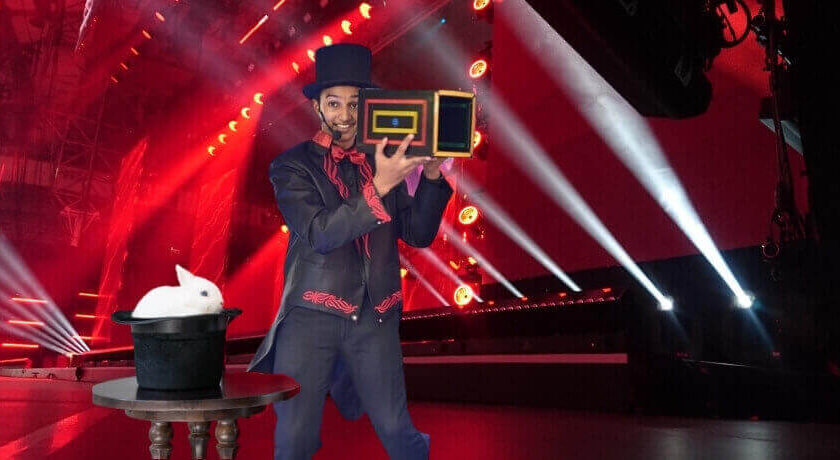
A magic show is a curious blend of theater and illusion, performance and psychology—a realm where the improbable becomes momentarily plausible, and the ordinary is transformed into something astonishing. Rooted in centuries-old traditions yet constantly evolving, the magic show occupies a unique space in the world of entertainment. It appeals to the intellect as much as to the imagination, and its greatest trick may not lie in the sleight of hand itself, but in the deeper emotions it stirs: awe, curiosity, and a delightful sense of being fooled.

At first glance, a magic show might seem like a simple spectacle—rabbits pulled from hats, coins vanishing into thin air, cards appearing in improbable places. But behind each performance lies a profound understanding of human perception, misdirection, timing, and storytelling. The magician, after all, is not merely a trickster but a master of manipulating attention, guiding the audience’s eyes and minds with the precision of a choreographer and the cunning of a playwright.

Historically, magic shows trace their lineage back to ancient civilizations. Egyptian hieroglyphs depict conjurers performing tricks as early as 2500 BCE. In ancient Greece and Rome, illusionists were common fixtures at public gatherings. Yet it was not until the 19th century, with the rise of stage magic in Europe, that the modern magic show truly took shape. Figures like Jean Eugène Robert-Houdin in France elevated magic from the streets to the theater, dressing in evening wear rather than the garb of street performers, and in doing so, reshaped the magician’s image from vagabond to gentleman entertainer. His influence is evident in the work of Harry Houdini, the legendary escapologist who later took the world by storm with his daring feats.

The golden age of magic, spanning the late 19th and early 20th centuries, saw the emergence of elaborate stage illusions and vaudeville magic acts. Theaters across Europe and America were graced with performers who could make elephants disappear or levitate assistants before stunned audiences. These were not just shows—they were events, spectacles that filled the air with gasps and applause, uniting entire rooms in a single, shared moment of disbelief.

What makes magic shows so enduringly compelling? At their heart lies a tension between knowing and not knowing. The modern viewer, accustomed to a world governed by logic, science, and transparency, finds in magic a rare opportunity to suspend disbelief. It is a voluntary surrender, a conscious decision to be deceived for the sake of wonder. In this paradox lies the magic show’s true power—it reawakens the childlike sense of mystery that adulthood often dulls.

Moreover, magic is one of the few performance arts that actively involves its audience. A good magician is not performing at the audience but with them. Reactions—whether astonishment, suspicion, or laughter—are integral to the experience. Participation heightens the stakes. When a volunteer’s chosen card inexplicably appears inside a sealed envelope or a borrowed ring ends up inside a block of ice, the impossibility becomes personal. The audience is not merely witnessing magic; they are part of it.

Technology, of course, has influenced the magic show in both challenging and inspiring ways. In an era of CGI and virtual reality, the line between illusion and reality has grown increasingly blurred. The modern magician must navigate a delicate balance between analog tricks and digital enhancements. Some purists shun technology, insisting on old-school sleight of hand and mechanical ingenuity, while others embrace projection mapping, drones, and even artificial intelligence to push the boundaries of what’s possible on stage. Regardless of the tools employed, the magician’s aim remains the same: to create moments of genuine surprise in a world that often feels all too predictable.

Beyond entertainment, magic shows also tap into deeper psychological and philosophical currents. They explore the limits of perception and the malleability of belief. Magicians understand better than most that the human mind can be easily led astray—that what we think we see is not always what is. In this way, magic becomes a mirror, reflecting not just the art of illusion, but the illusions we live with every day. How often do we fill in gaps with assumptions? How frequently do we overlook the obvious, distracted by misdirection?

In recent years, the art of magic has experienced a quiet renaissance. Television and streaming platforms have introduced a new generation to the work of close-up magicians and mentalists—artists like Derren Brown, Dynamo, and David Blaine—whose performances blend psychological insight with showmanship. Meanwhile, live magic shows continue to thrive in cities like Las Vegas and London, where high-end productions draw international audiences night after night. Street magic, too, has found a global platform via social media, with short, punchy videos captivating millions of viewers and bringing the ancient craft into the digital age.

Despite all these evolutions, the essence of the magic show remains unchanged: it is about creating wonder. In a culture saturated with information and explanation, wonder has become a scarce commodity. The magic show offers a space in which it can flourish. For a brief time, in a darkened theater or on a crowded sidewalk, we are reminded that not everything needs to be explained. Some mysteries can be savored simply for what they are.

In the end, the magic show is not about fooling people; it’s about giving them the gift of astonishment. It’s an invitation to momentarily step outside the rigid structures of reason and revisit a state of openness and curiosity. That, perhaps, is the real magic. Not in the vanishing act or the impossible escape, but in the collective gasp that fills the room—the shared realization that we are still capable of being amazed.

read more
Dance

The Timeless Language of Dance: Movement as Expression and Connection

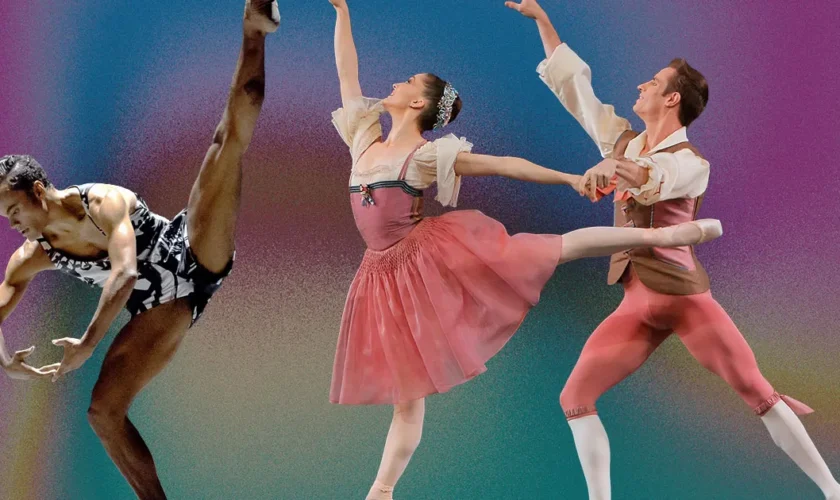
Dance, in all its myriad forms, is far more than the rhythmic movement of bodies to music. It is an ancient, instinctive language that transcends barriers of culture, geography, and even time. From the ritualistic dances of early human civilizations to the modern fusion of street styles and contemporary ballet, dance has always served as a potent conduit for emotion, storytelling, and communal identity.

At its core, dance is the embodiment of expression. Where words falter, movement speaks. It captures the ineffable—those fleeting, complex emotions that are difficult to articulate. In a world increasingly reliant on digital and written communication, the physical immediacy of dance remains a powerful reminder of the human need for tactile and emotional resonance. The twist of a torso, the gentle arc of a hand, or the stamp of a foot can convey joy, grief, defiance, and longing with a clarity that no text message could replicate.

Historically, dance has been deeply interwoven with spiritual and social practices. In many indigenous cultures, it is not merely an art form but a sacred act, used in rituals to communicate with deities, honor ancestors, or mark significant life transitions. The whirling dervishes of the Sufi tradition, for instance, use dance as a form of meditative devotion, where the repetitive, spiraling movement becomes a vehicle for transcending the self and approaching the divine. Similarly, the vibrant dances of African tribes, the intricate gestures of Indian Bharatanatyam, and the exuberant circle dances of Eastern Europe each reflect the values, myths, and rhythms of the societies that birthed them.

In the West, the evolution of dance has mirrored broader cultural shifts. During the Renaissance, dance transitioned from courtly pastime to refined spectacle, with ballets staged in the grand halls of European nobility. These performances, meticulously choreographed and elegantly costumed, celebrated grace, order, and narrative. Ballet, with its emphasis on line, poise, and precision, became the benchmark of high artistic achievement—a tradition that continues to command reverence today.

Yet, with the advent of the 20th century came an explosion of new forms that challenged traditional hierarchies and definitions. Modern dance pioneers like Isadora Duncan and Martha Graham rejected the rigid structures of classical ballet in favor of more natural, expressive movement. They sought authenticity, drawing inspiration from the body’s innate impulses and the emotional undercurrents of life itself. This shift democratized dance, making space for the individual—regardless of class or formal training—to find a voice through movement.

In tandem with these innovations came the rise of popular and street styles. Jazz, tap, hip-hop, breakdancing—all emerged from marginalized communities as expressions of identity, resistance, and resilience. These forms, often improvisational and deeply rooted in rhythm, underscored dance’s role as a living, breathing commentary on society. They also highlighted its communal nature: in cyphers, on street corners, and in clubs, dance became a dialogue—a way for people to connect, compete, and create together.

One cannot speak of dance without acknowledging its physicality. It demands discipline, stamina, and an intimate understanding of one’s body. Dancers often train for years to master techniques, build muscle memory, and refine their craft. Yet, within this physical rigor lies a paradox: the best dancers make it look effortless. The power of a grand jeté or the subtle tension of a sustained arabesque can move audiences precisely because they seem to transcend physical limitation. This illusion of effortlessness, however, is the result of relentless practice, injury, and an unwavering commitment to the art.

Dance also offers profound psychological and emotional benefits. Studies have shown that dancing can reduce stress, improve cognitive function, and boost mood. It fosters mindfulness—when dancing, one is wholly present, attuned to the beat, the breath, the space. In a time when mental health challenges are increasingly prevalent, the therapeutic potential of dance should not be underestimated. Dance therapy, in particular, has emerged as a powerful modality for individuals coping with trauma, illness, or emotional blocks. By moving the body, one often unlocks hidden truths of the mind.

Moreover, the world of dance today is more diverse and dynamic than ever. Choreographers and dancers are breaking boundaries, fusing genres, and embracing hybridity. TikTok trends now sit alongside classical repertory; K-pop routines share the stage with flamenco and salsa. This global interchange enriches the dance landscape, allowing for innovation while honoring tradition. At the same time, it raises important questions about cultural appropriation versus appreciation—issues that the dance community continues to navigate with increasing sensitivity and awareness.

Technology, too, has expanded dance’s reach. Digital platforms enable dancers from remote corners of the world to showcase their work, collaborate, and inspire one another. During the COVID-19 pandemic, virtual performances and Zoom classes sustained the dance world, proving that while the stage may be a traditional home, the spirit of dance is far from confined to any single space.

Ultimately, dance is about connection—connection to the self, to others, and to something larger. It is both deeply personal and profoundly universal. Whether one is a seasoned performer or an untrained participant swaying to a favorite song, the impulse to move is innate. It is in our biology, our history, our collective memory. In dance, we find freedom, purpose, and belonging.

As the world continues to change—rapidly, sometimes chaotically—dance endures. It reminds us that even in silence, we can speak. Even in stillness, we can feel. And even in difference, we can find harmony.

read more
Party Fun

The Role of Music in Setting the Party Mood

Music is one of the most powerful tools in shaping the atmosphere of a party. It has the unique ability to influence emotions, create a sense of unity, and transform any gathering into a memorable event. From setting the tone as guests walk through the door to maintaining the energy throughout the evening, music plays a pivotal role in determining how a party feels. The right playlist can elevate a gathering, encouraging people to let go, socialize, and have a great time. But how exactly does music set the mood, and what types of songs are best suited for various moments during a celebration? Let’s explore the science and art of curating the perfect soundtrack for any party.

1. Creating First Impressions with Introductory Tunes

The moment your guests arrive at the party, the music sets the tone for what’s to come. It’s not just about playing background noise; the first few tracks you choose can help your guests feel welcomed and excited. Soft, ambient tunes such as instrumental jazz, smooth pop, or upbeat acoustic music are ideal for the first few minutes of the party. These selections act as a warm invitation, easing guests into the environment and subtly signaling the type of energy the event will have.

For a formal event like a gala or dinner party, mellow and sophisticated tunes will foster an elegant atmosphere, while for more casual or lively gatherings, feel-good songs with a positive vibe can immediately put guests in a cheerful mood. The volume should be adjusted to create a comfortable environment, allowing for easy conversation while still providing a subtle background energy.

2. Setting the Rhythm for Socializing

Once the party gets going and guests start mingling, the music becomes an important part of the social experience. Upbeat and familiar tracks encourage people to move around, interact, and break the ice. Party classics like “Stayin’ Alive” by the Bee Gees or “Uptown Funk” by Mark Ronson ft. Bruno Mars are known for their infectious energy and wide appeal. These songs get people moving and give them something to connect over.

In this phase, it’s important to find the balance between energy and accessibility. While you want songs that encourage interaction, you don’t want the music to be so loud or intense that it overpowers conversation. Carefully chosen tunes that are both well-known and universally liked can encourage laughter, conversation, and dancing—all while building a connection among guests. These songs work because they spark familiarity and create a sense of collective enjoyment.

3. Building Energy on the Dance Floor

As the party continues, the music plays an even more central role in guiding the energy of the event. The key is to keep the tempo high and the rhythms engaging, especially as guests start moving to the dance floor. Tracks with a driving beat, like “Shut Up and Dance” by Walk the Moon or “Can’t Stop the Feeling” by Justin Timberlake, are perfect for creating an atmosphere where people are excited to hit the floor. These songs are designed to create an infectious energy that pulls everyone in.

Building energy on the dance floor involves curating songs that progress in tempo and intensity, creating a natural build-up. It’s essential to maintain a balance between familiar anthems and fresh tracks that still keep the party alive. Pop, dance, and electronic music are staples during this phase because they emphasize rhythm, encouraging movement and bringing a sense of unity to the space. The more energetic the songs, the more likely it is that guests will shed their inhibitions and fully embrace the party vibe.

4. Guiding the Mood Through Different Phases of the Night

A party is rarely a single, uninterrupted experience; there are often several different phases as the evening unfolds. For example, when guests are enjoying dinner or cocktails, you’ll want to shift the music to a more subdued tone, allowing for comfortable conversation while still providing a pleasant auditory background. Acoustic, jazz, or mellow pop songs can provide the ideal atmosphere without overshadowing the conversation.

However, as the night progresses and the festivities become livelier, it’s time to gradually increase the tempo and energy. This gradual transition helps the guests move from a relaxed vibe to an excited mood, creating a seamless flow of energy throughout the event. Having the right music at every phase ensures that the party remains engaging without feeling disjointed. It’s about pacing the music in a way that matches the evolving mood of the guests and keeps them engaged for the entire evening.

5. Eliciting Emotions with the Right Song Choices

Music is particularly effective at eliciting emotions, and when done right, it can turn a regular party into a deeply memorable experience. Songs can evoke joy, nostalgia, excitement, or even sentimental moments, making guests feel emotionally connected to the event. For example, a slow love song like “Perfect” by Ed Sheeran during an anniversary celebration will undoubtedly bring out warm feelings of affection, while a high-energy anthem like “We Are the Champions” by Queen can invoke pride and triumph.

One of the most impactful ways music sets the mood is through emotional cues, whether it’s a love song that encourages couples to share a dance or an inspiring anthem that motivates people to embrace the party spirit. Emotional resonance is key to creating lasting memories of the night.

6. Understanding the Power of Lyrics

It’s not just the rhythm and tempo of the music that influences the mood; the lyrics also play a pivotal role in setting the tone of the party. Lyrically uplifting songs such as “Happy” by Pharrell Williams or “Walking on Sunshine” by Katrina and the Waves can immediately shift the atmosphere from casual to celebratory. Positive lyrics create a sense of connection, turning the party into a shared experience of joy and celebration.

Conversely, songs with more introspective or romantic lyrics are perfect for intimate moments, such as a slow dance or a heartfelt toast. These lyrics can help guests reflect on the occasion and connect emotionally, making them feel more engaged with the celebration itself.

7. Customizing the Playlist for the Crowd

Every party is unique, and the music you select should reflect the tastes and preferences of the guest list. Customizing the playlist allows you to tailor the vibe to your audience, ensuring that the music enhances the party mood in the most effective way possible. It’s always a good idea to mix in a few tracks that resonate personally with the guest of honor or the people celebrating the milestone, creating a deeper connection to the event.

While some groups may love classic rock anthems, others may prefer top 40 hits or electronic dance music. Taking the time to curate a playlist that reflects the mood and interests of the people attending ensures that the music will have a greater impact, helping to create a tailored experience that everyone will enjoy.

8. Closing the Night with the Right Song

The way a party ends can be just as important as how it starts, and music plays a crucial role in leaving a lasting impression. As the night draws to a close, it’s essential to choose a song that wraps up the event on a high note, reinforcing the positive emotions of the evening. A feel-good anthem or a classic ballad that everyone knows can help guests feel that they’ve been part of something special.

Choosing the right closing song helps leave guests with a sense of satisfaction, ensuring they leave the event feeling uplifted and positive about their experience.

Crafting the Perfect Playlist

In the end, the role of music in setting the party mood cannot be overstated. From the moment guests arrive until the final song of the evening, music has the ability to shape the energy, elicit emotions, and provide the soundtrack to unforgettable memories. Thoughtful song choices create an atmosphere that enhances the overall experience, guiding the mood from casual to festive and everything in between. By understanding how music influences the party mood, you can ensure that your next event is one that will be remembered for years to come.

read more
1 2 3 12
Page 1 of 12